Amazon Pivots Loudoun Plan
Amazon is replacing planned data centers with housing and parks in Virginia after local residents voiced strong opposition to the high-tech expansion.
By Lauren Collins ·
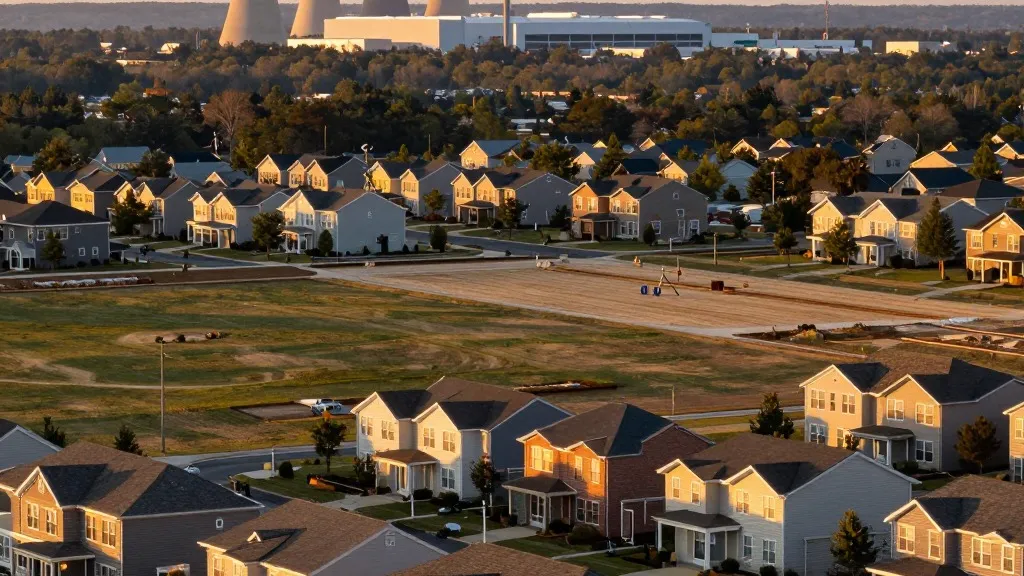
A major shift in land use is reshaping the suburban landscape just outside the capital.
Amazon has officially dropped its proposal to construct four new data centers on a 122-acre parcel in Loudoun County, Virginia. The site, formerly home to the George Washington University campus, will now be redeveloped into mixed-use and residential spaces. This decision follows significant resistance from local residents who opposed the construction of the high-tech facilities. The company announced the change in plans this week, signaling a departure from its previous expansion strategy in the area.
The new agreement includes specific concessions designed to address community needs. Amazon will donate 25 acres of the property to Loudoun County for the construction of a community arts center and a new recreational facility. Additionally, the tech giant will contribute five million dollars to the county's housing fund. These moves aim to provide tangible benefits to local taxpayers while transforming the industrial footprint of the site into spaces for living and leisure.
The decision comes as a surprise given the region's reputation. Loudoun County is often referred to as Data Center Alley due to its status as the global hub for the largest concentration of such facilities. Despite this established identity, residents have increasingly raised alarms about the operational impacts of the buildings. Primary concerns include the constant noise generated by cooling systems and the massive consumption of electricity. In recent months, the county's approach to approving new data center projects has become more cautious, reflecting a growing tension between technological expansion and local quality of life.
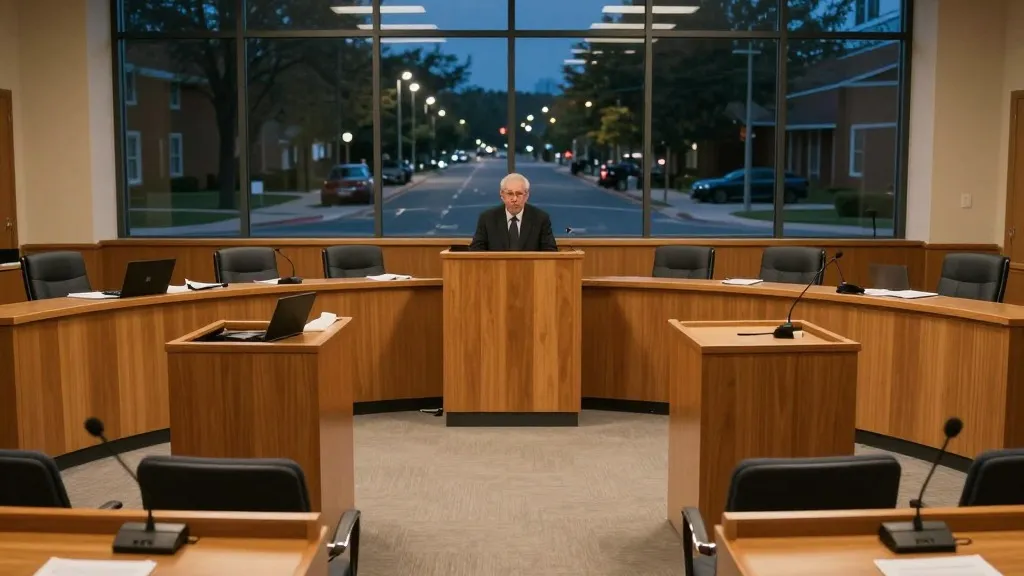
The timeline of the proposal reveals a brief period of negotiation. Amazon filed its original plans in July of this year. By September, the company was in discussions with Phyllis J. Randall, the chair of the Loudoun County Board of Supervisors. Randall suggested to Amazon executives that the land might be better suited for a different purpose, prompting the company to reconsider its initial approach to the development.
Amazon's vice president for data center development, Josh Weissman, explained the company's reasoning in a statement. He noted that the firm moved quickly to purchase the property when the opportunity arose. However, the team carefully considered the county's pointed concerns about building data centers at this specific location. Weissman acknowledged that while Amazon viewed the legal development potential of the land differently than the county did, they determined that collaboration was preferable to a prolonged legal battle. He stated that coming together on a shared vision was the best outcome for all parties involved.
The broader context for this reversal involves the rapid growth of artificial intelligence. Data centers are essential for supporting cloud services and data storage, but the surge in AI applications has driven demand for larger and more powerful facilities to new heights. This expansion has led to pushback from communities worried about the environmental and economic effects. Residents have cited higher electricity prices, water shortages, and deforestation as key issues in areas where these facilities are constructed.
National political dynamics are also influencing the industry. Days before the Loudoun County announcement, President Donald Trump urged data center builders and major AI companies to provide a dividend to local communities. This was in response to rising energy-related costs. In a social media post, the president indicated that data centers would be required to generate their own electricity and to sell or give back any surplus power to the local grid. This stance aligns with the push for greater self-sufficiency and local benefit in the tech sector.
County leadership has framed the final agreement as a success of cooperation rather than conflict. Randall stated that by choosing dialogue over reflexive disagreement, the county and Amazon created a positive opportunity for the community. She highlighted that the new plan provides residents with places to gather, create, and play. Most importantly for her, the project will provide more attainable homes for working families, addressing a critical housing need in the region.
The next steps involve moving forward with the mixed-use and residential development plans. The county and Amazon will now focus on the details of the new construction, including the design of the arts center and recreational facility. The five million dollar contribution to the housing fund will also be allocated to support local housing projects. This transition marks a significant moment for the region, balancing the needs of the tech industry with the desires of the local population.
Source: Tom's Hardware
More Business · Tech news · Bad Business · Report a business