City Redesigns Crosswalks After Resident Complaints
Planners removed concrete barriers and reduced pedestrian zones on West Colorado Avenue following recent public feedback and safety concerns.
By Eric Laurent ·
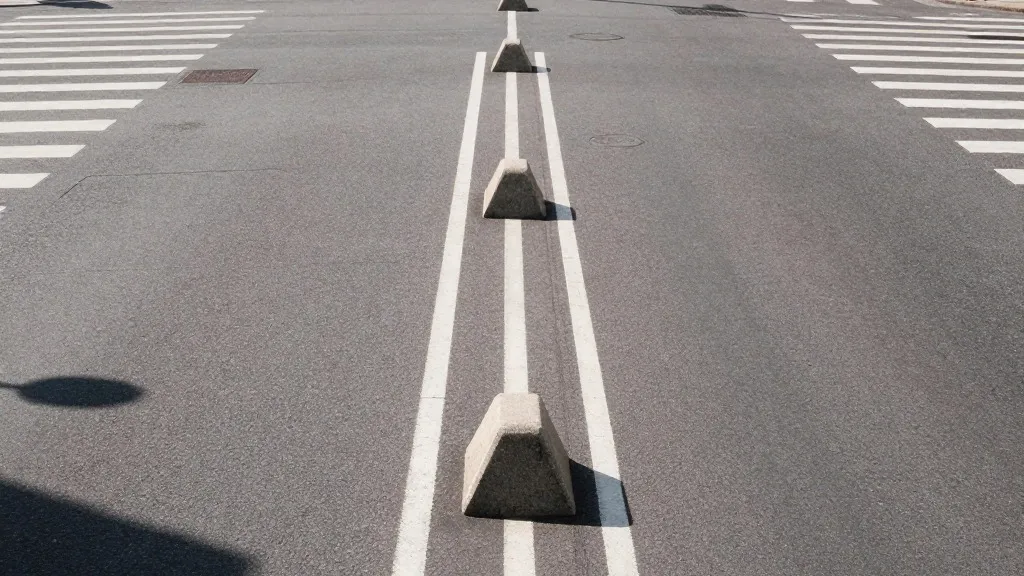
City planners in Colorado Springs have removed concrete barriers from crosswalks along West Colorado Avenue, marking a significant shift in the ongoing street redesign. These physical dividers, which were installed just last month as part of the initial phase of the project, have been taken out in response to direct feedback from residents and local businesses. The move represents a rapid adjustment to the trial design, signaling that the city is prioritizing real-world usability over the original blueprints.
The broader project aims to improve safety and flow for all users of the corridor. It involves realigning traffic lanes, adjusting parking configurations, and creating new options for pedestrians. While the initial installation included protected crosswalks with solid concrete medians, the current phase focuses on refining these elements. The city is treating the street as a living experiment, where features are tested in the field and modified based on how drivers, walkers, and cyclists actually interact with the infrastructure.
Ryan Phipps, the city's capital improvements manager, described the current situation as a continuous cycle of testing and refinement. He noted that the team recently made adjustments to the initial implementation. Phipps explained that this is an iterative process designed to determine what is working effectively and what is not meeting expectations. The goal is to find a balance that serves the community without creating new obstacles.
The decision to remove the concrete barriers came after pedestrians reported that the structures blocked their sightlines. Although the barriers were intended to be temporary, they created a solid wall of concrete that made it difficult for shorter individuals to see oncoming traffic. This feedback highlighted a practical issue that was not fully apparent during the planning stage. Removing these blocks restores visibility for people crossing the street, which is a critical component of pedestrian safety.
Changes were also made to the center pedestrian refuge areas, which are the safe zones where walkers can pause while crossing wide streets. First responders provided input indicating that these areas sometimes became blockages for emergency vehicles. Drivers attempting to pull over to make way for ambulances or police cars found themselves trapped behind the refuge islands. To ensure that fire and police units have clear access up and down the avenue, the city scaled back these sections. This adjustment prioritizes emergency response efficiency while still maintaining safe crossing points.
Phipps emphasized that these changes are not necessarily corrections of errors but rather a search for optimal solutions. He described the process as a matter of tweaking and balancing various needs. The test phase is considered essential for observing how the design performs in practice. By making these changes now, the city hopes to avoid locking in features that may cause long-term frustration or safety issues.
Local businesses are closely monitoring these shifts, as the street's layout directly impacts their ability to attract customers. Centennial Cuts, a shop specializing in Colorado beef, relies on easy access for its patrons. Manager Joe Kliche noted that the store's cattle are raised on a family ranch in Fowler, Colorado, now in its third generation. The beef is sold at the company's single brick-and-mortar location, making foot traffic and parking accessibility vital to its operation.
Kliche expressed mixed feelings about the changes. He likes the center lane designated for parking, which he finds helpful for loading and unloading supplies. However, managers had expected more additional parking spaces along the corridor. He described the stanchions rising in the middle of the street as a little weird, reflecting a common sentiment among some business owners who are still adjusting to the new look of their frontage.
The latest updates effectively reset this portion of the trial period. City planners are now gathering further feedback to judge whether the revised design is working as intended. This approach allows the city to remain flexible and responsive to the needs of the community. The next steps will depend on the quality and quantity of the input received during this new phase of testing.
As the city continues to gather data, residents and business owners are encouraged to share their observations. The process underscores a commitment to a design that evolves with user experience. By keeping the lines of communication open, the city aims to finalize a layout that supports both free movement and personal safety for everyone using West Colorado Avenue.
Source: KOAA News5
More News · Centennial news · Report a business · Got a Story?