Displaced Wolves Enter Finnish Villages as Google Halts Data Center Construction
The unauthorized clearing of forest land for AI infrastructure has forced local wolf packs into residential areas, prompting a work stoppage order and public concern over safety and environmental impact.
By Imani Brooks ·
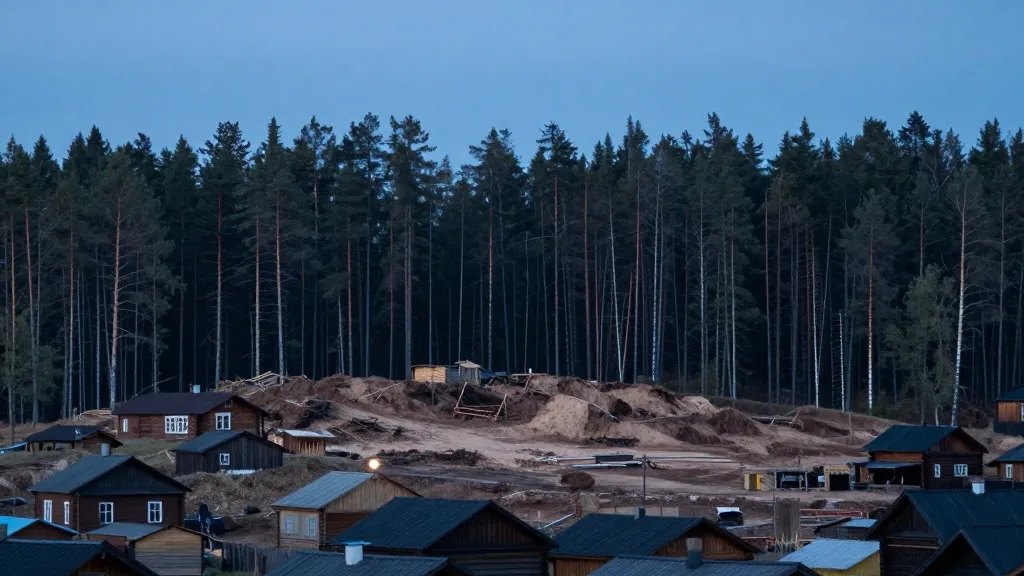
Residents of rural Finland are now facing a direct change in their daily safety environment, as wolf packs that previously inhabited local forests have begun roaming into neighboring villages. This shift, triggered by the significant alteration of the surrounding landscape, has turned the countryside into an area of heightened caution for families living in communities such as Otanmäki. The presence of these wild animals in residential zones marks a tangible consequence of recent industrial development in the region.
The catalyst for this ecological displacement is the construction of new artificial intelligence data centers by the American technology giant Google. In the village of Muhos, approximately 816 acres of forest have been cleared, resulting in what is described as a large expanse of mud. Additionally, roughly 500 acres of forest near Otanmäki, located 55 miles southeast of the village, have been affected by similar clearing activities. These operations were conducted without full authorization, leading to widespread local dissatisfaction and scrutiny from environmental bodies.
The Finnish Licensing and Supervision Authority (LVV) has ordered Google to cease all development work in the Muhos and Otanmäki areas following a review of the project's compliance with regulations. A representative from the Finnish Association for Nature Conservation characterized the company's handling of environmental policy as unprecedented and clearly in violation of established standards. The intervention by the LVV signals a formal halt to the construction process in these specific zones while the matter is addressed.
Local reactions have been mixed, with anger simmering over the visual and ecological damage to the Finnish forest landscape. Anni Ranta, 53, a resident of Otanmäki whose family has lived there for generations, noted that wild animals, including wolves, have moved into the village due to the loss of their natural habitat. Beyond the immediate wildlife concerns, Ranta expressed a broader fear that the presence of U.S.-owned data centers may increase Finland's vulnerability to Russian aggression.
The disruption extends beyond the visible clearing of trees. Locals have reported additional side effects, including persistent construction and factory noise, streams discoloring to a brown hue, and the displacement of rare bird species. These grievances are not unique to Finland, as similar complaints regarding the environmental footprint of AI data centers have been voiced in the United States and other countries. The cumulative impact on the local ecosystem has become a central point of contention between the developer and the community.
Despite the stop-work order, Google has maintained a cooperative tone in its public statements. A spokesperson for the company affirmed that they would fully comply with the requests made by the LVV. The company expressed its intention to maintain an active and open dialogue with all relevant authorities, aiming to strengthen its partnership with Finland and local organizations. This approach suggests that Google is seeking to balance its rapid expansion goals with the need for regulatory approval and community acceptance.
The next steps in this dispute will likely involve continued negotiations between Google and Finnish regulatory bodies. The immediate halt in construction provides a pause for reassessment of the project's environmental compliance. For local residents, the return of wildlife to the forest remains a key indicator of whether the land can recover its natural state, while the broader implications for future AI infrastructure development in the region remain under close observation.
Source: Tom's Hardware