Madison Students Reject $115 National Halloween Average
UW-Madison students cap costume budgets at $100 to avoid fast fashion and peer pressure.
By Sofia Molina ·
The University of Wisconsin-Madison student body faces a financial and environmental calculation ahead of the October 31 holiday. While the National Retail Federation projects Americans will spend $13.5 billion on Halloween shopping this year, a local cohort is actively trying to spend less. The NRF data places the national average expenditure at $115.14 per person. Madison students say they are capping their budgets at $100 to resist that trend.
The pressure to spend stems from both retail availability and social dynamics. Students often feel limited to two options: purchasing a high-priced, full costume or assembling a look from low-cost items sold by retailers like Shein. Senior Hadley Wendorff described the social cost of this choice. "If your friends have a great costume you wanna have a great costume too," she said. This peer influence drives students to buy multiple outfits for a single weekend, increasing their total costs.
Junior Matteo Rovera confirmed that yearly trends drive consumption. "There's fads for the year," he noted. "I would probably only ever wear one Halloween costume a year, but because of what my friends are doing, I have three this year." Despite this pressure, Rovera and other students, including junior Lily Myhra, aim to keep their total spending between $50 and $100. Myhra sources her outfits from Depop, a platform for secondhand goods.
The environmental impact of these purchases adds weight to the decision to spend less. Fast fashion models rely on producing clothing quickly from inexpensive materials to track shifting trends. Industry data indicates that fashion production accounts for 10% of global carbon emissions and pollutes waterways. Furthermore, 85% of textiles end up in landfills annually. A costume worn for one night and discarded fits this waste pattern exactly.
To avoid these costs, students recommend specific alternatives. Many suggest shopping secondhand at thrift stores, on sites like Depop or Vinted, or through Facebook Marketplace. Others advise borrowing or swapping old costumes with friends. Some students search their own closets or the homes of parents and friends for usable items. The goal is to buy clothing that can be worn again, either for daily use or for future costumes, rather than buying from fast fashion outlets like Amazon, Spirit Halloween, or Shein.
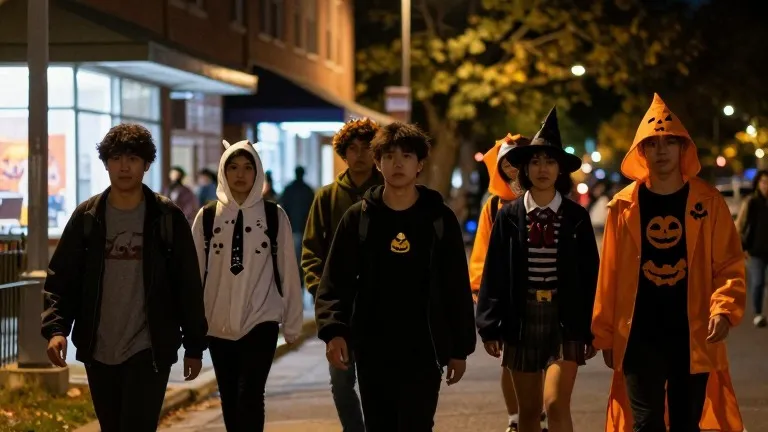
The resulting wardrobe on campus reflects these constraints. Costumes range from classic zombies and vampires to characters from the shows "Off-Campus" and "Odyssey." Niche internet memes like Punch the monkey also appear. Madison’s student nightlife remains active during the holiday, with costumed crowds filling the streets all weekend. Whether dressing as a character from "Obsession" or Gargamel from "The Smurfs," the local advice is consistent: keep the costume affordable and sustainable.
Source: The Daily Cardinal
More Culture · Madison news · Report a business · Got a Story?