SpaceX Rejcts Three Military Launch Contracts Amidst New Refueling Calculations
The private launch provider declined offers from the U.S. Space Force while a NASA panel indicated lunar missions may require extensive on-orbit refueling operations.
By Dmitri Sokolov ·
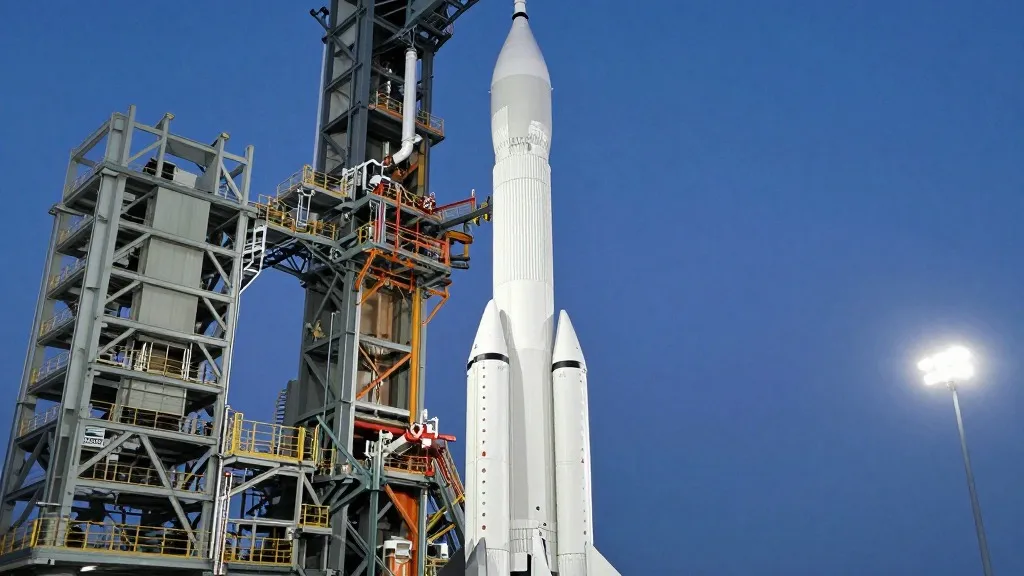
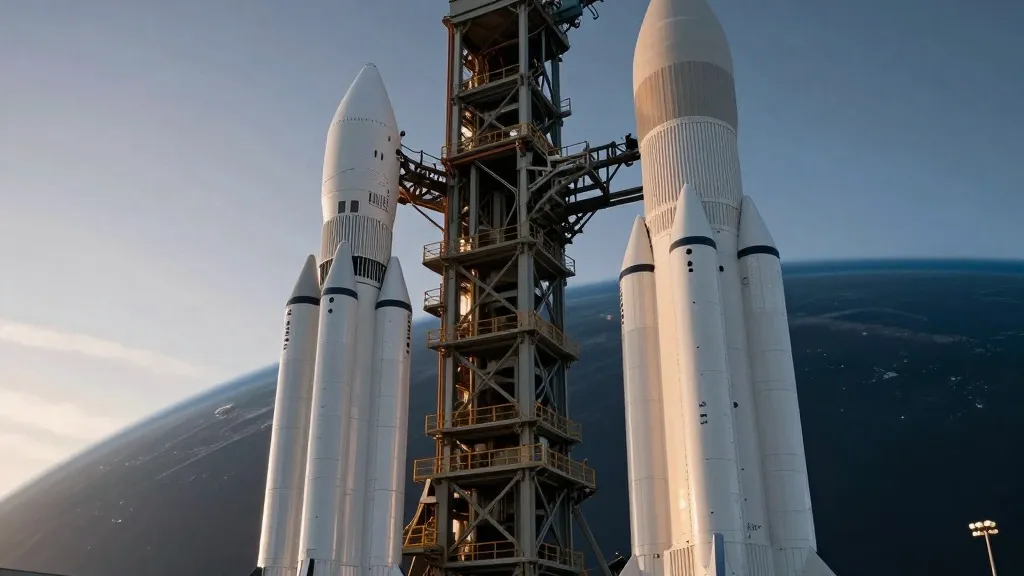
SpaceX has formally declined three proposed military launch contracts from the U.S. Space Force, a move that signals a significant shift in the company's commercial and government strategy. The rejection, described by the company as a 'no thanks,' leaves the service provider without the immediate backlog of government work it may have previously targeted. This decision arrives alongside new technical assessments from NASA, which suggest that the Starship vehicle may require up to 22 separate refueling operations in orbit to successfully support a lunar landing mission. These dual developments highlight the complex financial and engineering challenges facing the industry as it scales up capabilities for both defense and deep-space exploration.
The trajectory of SpaceX’s involvement in military launches has been inconsistent in recent years. Historically, the company has secured a significant portion of its revenue from government agencies, including NASA and the Department of Defense. However, the current cycle of contract negotiations has resulted in a pause for military-specific launches. The company’s decision to turn down these specific offers suggests a prioritization of other commercial ventures or a reassessment of the terms offered. This strategic pivot occurs as SpaceX continues to push forward with its Starship program, which is central to its long-term vision for lunar and Mars exploration.
On the civil space front, a NASA safety panel has issued a report detailing the logistical requirements for Starship’s lunar missions. The panel indicated that achieving a stable orbit around the Moon will likely necessitate a large number of in-orbit refueling maneuvers. The estimate of up to 22 refuelings is a critical figure for mission planners and investors, as it implies a substantial increase in the number of launch vehicles required to support a single crewed lunar expedition. This requirement adds layers of complexity to the mission architecture and could influence the cost structure of future lunar operations.
While SpaceX navigates these strategic and technical hurdles, other players in the launch market are advancing their own development schedules. PLD Space, a company based in Spain, reported that its Miura 5 rocket is nearing final integration. The vehicle is slated for its inaugural flight, with the company targeting a launch date before mid-2027. PLD Space has already manufactured three Miura 5 vehicles, with two of them designated for qualification testing of key system elements. CEO Raúl Torres noted that the continuous manufacturing of these three vehicles has allowed the team to apply lessons learned from each qualification campaign directly to the launch vehicle, streamlining the production process.
The Miura 5 is classified as a small-lift rocket, designed to compete in the growing market for smaller payload deliveries to orbit. One of the Miura 5 second stages is now fully integrated and is undergoing system-level testing under representative operating conditions. This testing is taking place at PLD’s Teruel test facility, where the stage is undergoing a qualification campaign that includes a wet dress rehearsal and a static hot-fire test. These steps are crucial for validating the rocket's performance before the first flight, ensuring that the vehicle meets the necessary safety and reliability standards for commercial operation.
In Canada, Reaction Dynamics is seeking to raise $350 million to expand its workforce significantly. The company currently employs 68 individuals and aims to grow its staff to more than 350 people. This capital raise is intended to support the development of the Aurora rocket, a small-lift vehicle that Reaction Dynamics hopes will reach orbit in 2028. The company is also planning the development of a medium-lift rocket named Borealis, with a debut targeted for 2031. This dual-approach strategy reflects a broader trend in the launch industry, where companies are developing multiple rocket classes to capture different segments of the market.
The push for capital in the launch sector underscores the capital-intensive nature of rocket development. Reaction Dynamics, one of three prominent Canadian launch startups, is looking to secure funding to bridge the gap between prototype development and operational readiness. The expansion of its workforce is a key indicator of the company's confidence in its technical roadmap. As the industry matures, the competition for funding and market share is intensifying, with established players like SpaceX setting the pace for innovation and new entrants like Reaction Dynamics striving to find their niche.
Looking ahead, the next few months will be critical for several key milestones in the launch industry. SpaceX will need to determine its next steps following the rejection of the military contracts, potentially focusing on its commercial starlink deployments or the next Starship test flights. PLD Space will continue its qualification testing of the Miura 5, with the goal of achieving a successful first flight by mid-2027. Meanwhile, Reaction Dynamics will proceed with its fundraising efforts to support the development of the Aurora and Borealis rockets. These concurrent developments illustrate the dynamic and competitive landscape of the global launch market, where technical progress and financial strategy are equally important.
The interplay between commercial and military interests in the launch sector is a defining feature of the current era. SpaceX’s decision to decline military contracts may reflect a broader trend toward commercial dominance in the launch market, or it may be a tactical move to balance its workload. The new refueling requirements for Starship add a layer of complexity to the lunar mission timeline, potentially impacting the schedule for crewed lunar landings. As smaller rockets like the Miura 5 and Aurora progress through their development cycles, the market is becoming more fragmented, with a wider array of options available to customers. This diversification is likely to drive down costs and increase access to space for a broader range of stakeholders.
Source: Ars Technica