Warhound Secures $200 Million to Breed Genetically Enhanced Canine Units for U.S. Defense
Backed by Sequoia and CIA-linked investors, the new venture aims to produce healthier, longer-lived working dogs equipped with Anduril’s tech to reduce reliance on European imports.
By Min-jun Kim ·
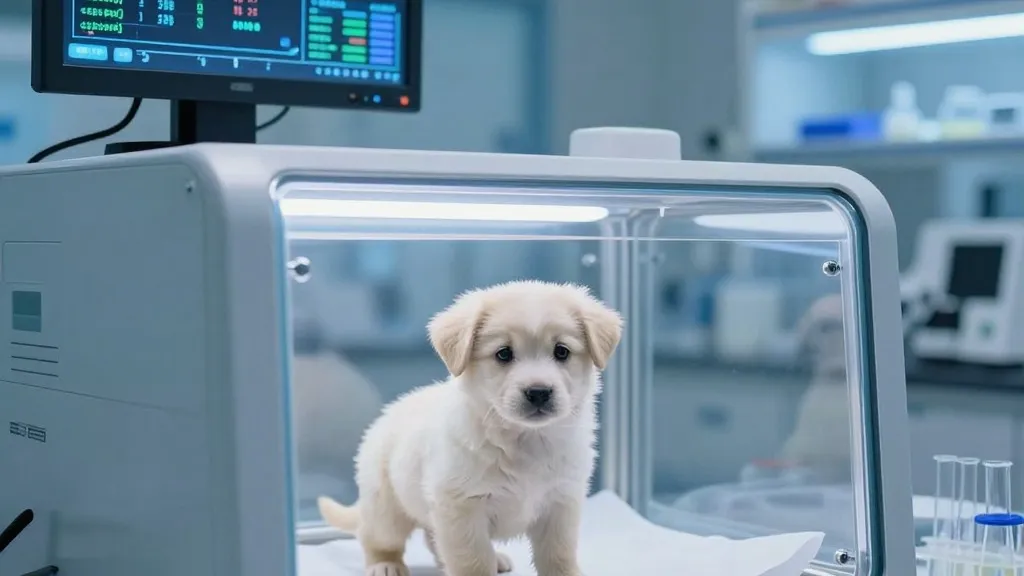
U.S. military and law enforcement agencies stand to gain a new domestic source of specialized working dogs, as Warhound emerged from stealth on Thursday with $200 million in fresh capital. The startup, founded by Ben Lamm of Colossal Biosciences and Anduril co-founder Palmer Luckey, is valued at $1.2 billion following a funding round led by Sequoia, 8VC, Corner Ventures, and In-Q-Tel. The latter is a venture firm supported by the CIA and other U.S. intelligence agencies, signaling a significant defense-sector interest in the company’s mission to engineer canines for dangerous tasks such as bomb detection and search operations.
The initiative addresses a critical gap in the current supply chain. According to the company’s launch materials, over 80 percent of the U.S. military’s working dogs are imported from Europe, and fewer than half of those animals are deemed fit for service upon arrival. Warhound aims to alleviate this dependency by developing a new breed of dog specifically tailored for demanding missions. Lamm explained that traditional breeding often results in animals with inherited issues, including poor eyesight, hip dysplasia, and a higher susceptibility to cancer or muscle atrophy, which frequently prevent them from completing training. By analyzing cell lines from top-performing breeds like the Belgian Malinois and German Shepherd, the team plans to edit genes to enhance health, longevity, and specific traits such as speed and olfactory sensitivity.
While the dogs themselves will be biologically engineered, their operational capabilities will be augmented by Anduril’s hardware and software. The defense technology firm will provide gear such as protective vests and goggles integrated with sensors. Lamm described these tools as extensions of the dog, designed to improve situational awareness for handlers. For instance, vests with data sensors can relay real-time information about the animal’s status and environment. This approach, Lamm noted, is intended to make the dogs safer and more effective, which in turn better protects the human handlers working alongside them. Luckey is a partner in the venture but does not hold equity; Colossal Biosciences retains ownership and licenses its genetic technology to the new entity.
The timeline for deployment is aggressive. The first batch of dogs is currently being cloned and incubated, with births expected in early 2027. The company targets the start of service within two years, a process facilitated by Viagen, a Colossal-owned firm that specializes in cloning. Although pricing has not yet been established, Warhound anticipates selling to the Department of Defense, police forces, and first responders. Lamm stated that the company has already briefed numerous government groups on the project.
To address concerns regarding animal welfare, Warhound is collaborating with the American Humane Society. The organization is guiding the certification of the training program for the new dogs. Additionally, the company hopes that upon retirement, these animals will enter the Society’s Military Working Dog Reunification Program, which helps place retired military dogs in permanent homes. The American Humane Society issued a statement applauding the partnership, noting its commitment to ensuring the animals are treated humanely based on scientific and ethical standards.
The launch marks a significant expansion for Colossal Biosciences, which is currently known for its de-extinction efforts, including projects to revive species like the mammoth and the dodo. By applying its AI-driven gene cloning and identification technologies to working dogs, the company is bridging its biological research with practical defense applications.
Source: TechCrunch