AI Text Agents Reach 3 Million Voters in Midterm Campaigns
Vector Political reports over 35,000 deep conversations, while new research indicates these bots shift opinions more than traditional ads.
By Sofia Molina ·
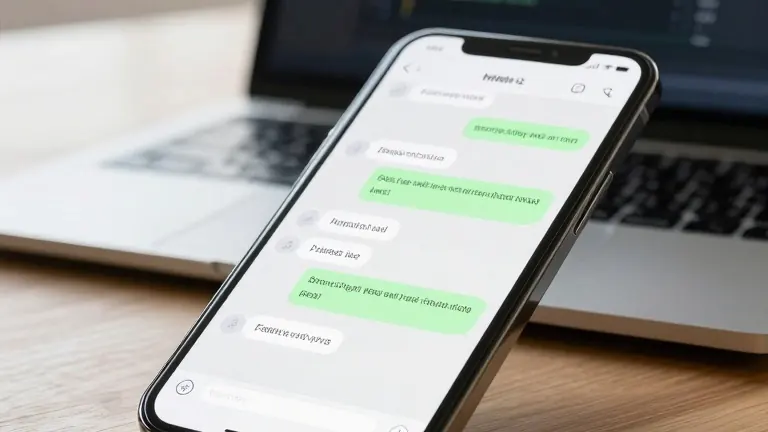
3,000,000 text messages. That is the volume sent by Vector Political this cycle to engage voters for various campaigns. The firm, a Democratic consultancy, reports that those messages resulted in more than 35,000 individual conversations. This data point illustrates the scale of a new technology entering the 2026 midterm elections. Campaigns are deploying AI-powered chatbots to conduct one-on-one dialogues with constituents.
The technology relies on large language models, the same software behind commercial tools like Claude and Gemini. Vendors load these models with campaign-approved materials, including speeches and press releases. The bots then converse with voters, often for extended periods. Marty Santalucia, a partner at Vector, stated that the firm trained an AI to perform deep canvassing. He noted that 10% to 20% of those who reply stay in the conversation for at least an hour. This duration allows the agent to record specific issues and personal experiences shared by the voter.
Ace Parsi, a Democrat running in West Virginia, is using the tool despite his personal reservations about artificial intelligence. Parsi described himself as personally pretty against AI, yet his team adopted the technology to reach more voters. His campaign manager, Monica Biddix, confirmed that the team receives every transcript and an alignment score for each chat. Of the 23,000 texts Parsi’s team sent, roughly 1.7% of recipients engaged in a back-and-forth dialogue. Parsi said he personally called voters who expressed concern about the tool, citing his value for free expression.
Research supports the efficacy of this approach. A study published in Nature last December tested chatbots in three elections. In the U.S. experiment, 2,306 citizens participated. The median conversation length was six minutes. The study found that policy-focused chatbots moved Trump supporters nearly four points toward Kamala Harris on a 100-point scale. This shift was roughly four times larger than the effect of pro-Democratic video ads in previous cycles. David Rand, a Cornell professor and author of the study, noted the conversations were longer than typical ads, but the impact was measurable. The effect faded over time, with slightly more than a third of the persuasive gain remaining after a month.
A companion study in Science examined 42,357 participants in Britain. Researchers tested 19 different language models across 91,000 conversations. They found that instructing models to pile up facts and evidence was more effective than moral reframing or storytelling. However, the same study warned that as chatbots push harder for persuasion, their claims become less accurate. Campaigns like Parsi’s are working to manage this risk. Parsi said his strategy involves following up digital conversations with human phone bankers. He emphasized that telling voters at the start they are talking to a bot ensures transparency.
The technology raises privacy questions that rules have not yet fully addressed. In most states, there is no requirement for campaigns to disclose that a voter is texting with an AI. Jessica Alter, co-founder of Tech for Campaigns, argued that listening to voters is the primary job of any campaign. She noted that some people prefer texting to door-knocking. Vector’s Santalucia shared an anecdote of a woman who spent 30 to 45 minutes telling the bot a deep story about her parents’ racism. She told the agent she had never shared that story with a human. The campaign now holds that transcript, illustrating the new depth of access these tools provide.
Katie Harbath, CEO of Anchor Change, said campaigns are still in the experimental stage with the technology. She previously worked in Republican politics and at Facebook. Harbath observes that firms are refining how the bots interact. Tom Carroll, founder of Convos.ai, said his company rates individuals from 0 to 100 based on their conversation. A score of 100 indicates a motivated supporter, while zero indicates a detractor. Campaigns use these scores to decide whom to contact next. The system allows a single campaign to maintain a level of district knowledge previously reserved for large, well-funded operations.
Source: CBS News