China Tech Shares Fall 40% as AI Profit Questions Grow
Investors are reassessing valuations on Shanghai's STAR Market after battery maker CATL showed weak profit margins despite high revenue growth.
By Sofia Molina ·
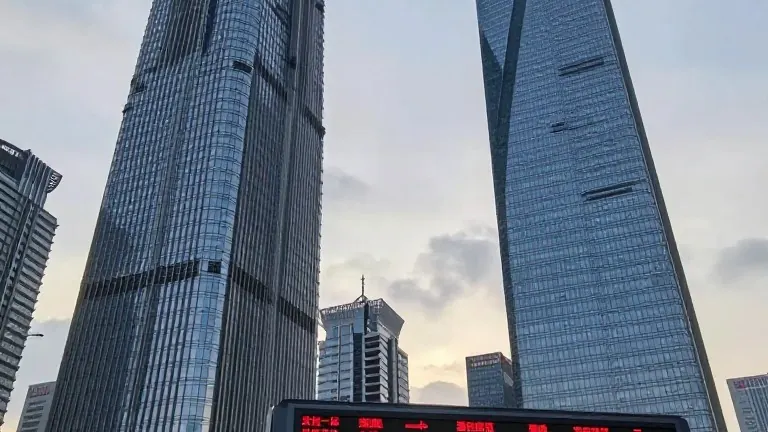
The STAR 50 Index has lost more than 40% of its value since hitting a peak in July. This index tracks the 50 most liquid companies on Shanghai's technology-focused STAR Market. The drop reflects a shift in investor focus from rapid growth to actual earnings. Battery maker CATL, a major player in the electric vehicle and energy storage sectors, has lost 37% of its value since January.
The decline began after a strong rally in early 2025. That rally followed the emergence of DeepSeek, a domestic AI model that raised hopes for China to rival U.S. firms. Benjamin Cavender of China Market Research Group said the initial selling was driven by profit-taking and valuation corrections. He noted that a closer look at earnings has since emerged.
Investors now question how quickly heavy spending on artificial intelligence will turn into profit. Tai Hui, Asia-Pacific chief market strategist at JPMorgan Asset Management, stated that large tech groups must convert this spending into earnings. He observed that several AI-related initial public offerings saw strong early demand that later cooled.
CATL demonstrates this pressure on margins. The company reported roughly 59% revenue growth in the third quarter. However, its net profit rose by only about 15%. Cavender attributed this gap to competition, shifting product mixes, and changes in taxes and rebates. Vey-Sern Ling of Union Bancaire Privée added that rising AI investment could further pressure near-term earnings.
The property downturn also affects the sector. Hui described the housing slump as a fundamental obstacle that keeps households saving cash rather than buying stocks. Weak consumption continues to hurt advertising and e-commerce businesses. Ling noted that Chinese tech valuations have reached multi-year lows, which should limit further downside, although upside drivers are hard to find.
Not all segments face the same risks. Brendan Ahern, chief investment officer at KraneShares, pointed out that STAR Board companies benefit from semiconductor spending by global tech giants. Hong Kong-listed stocks are more exposed to sluggish domestic consumption due to their heavier weighting in consumer-facing platforms.
Jason Hsu of Rayliant Global Advisors said a recovery in U.S. tech shares could support Chinese stocks. Cavender cautioned that cheaper prices alone are not enough for a lasting rebound. He said a sustainable rise requires stabilizing earnings, clearer returns on AI spending, and stronger domestic demand.
Source: CNBC
More Business · National news · Bad Business · Report a business · Got a Story?