Tesla Reveals Fighter Jet Inspired Cockpit Interface for 2028 Roadster
New footage details the advanced track telemetry and thruster controls that will define the driving experience in Tesla's upcoming flagship sports car.
By Zanele Khumalo ·
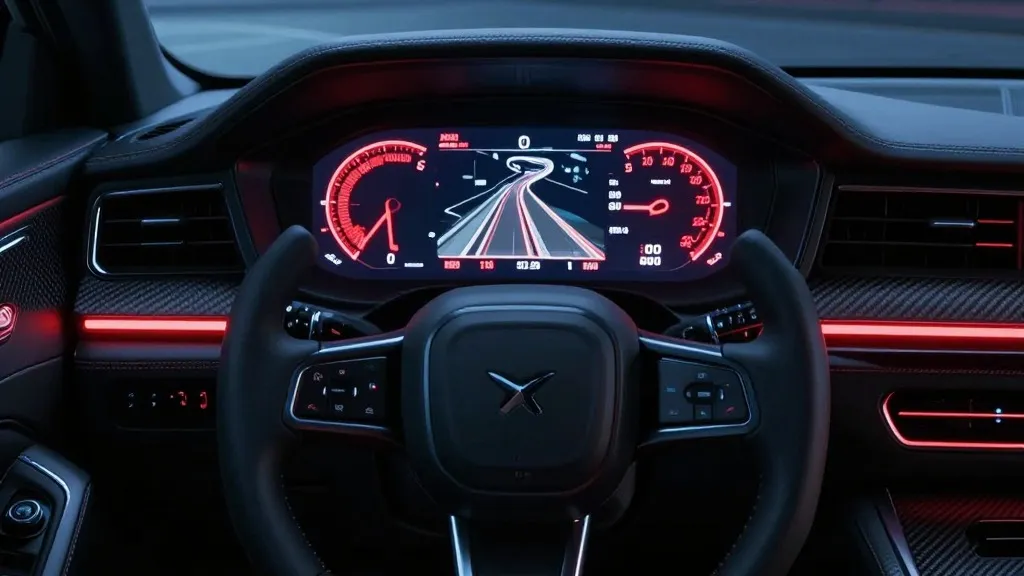
The central tension in Tesla’s final push for the next generation Roadster lies in the gap between extreme performance hardware and the digital interface required to manage it. On Friday afternoon, the company released a 34 second video that offers the clearest look yet at the driver’s cockpit. The presentation was framed with a caption stating the interface was inspired by fighter jet cockpits and designed around the pilot. This approach signals a significant departure from the minimalist screens found in the company’s other electric vehicles.
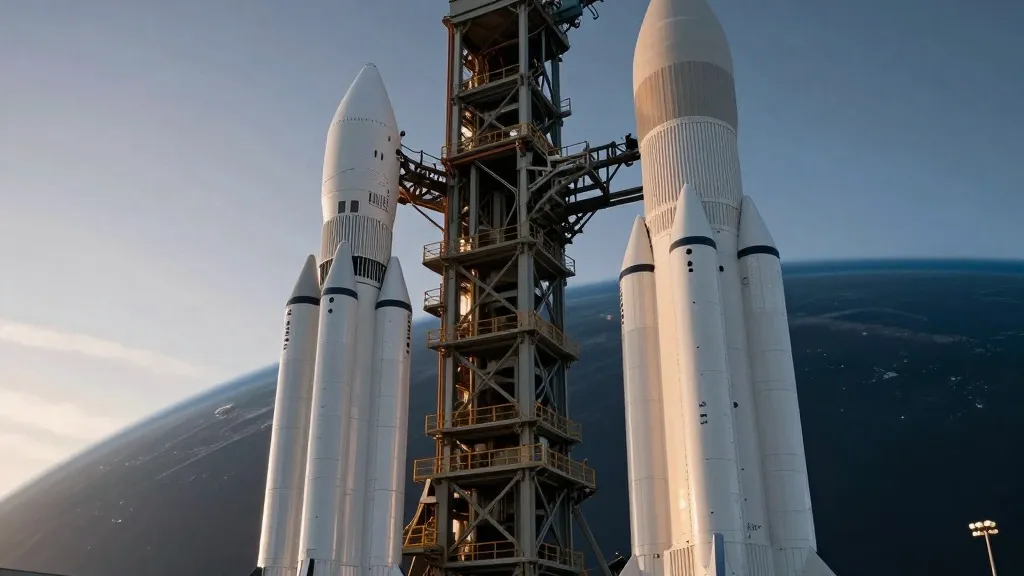
The path to this reveal began in mid October. On October 15, Tesla showcased the physical vehicle near Waco, Texas, highlighting the specific hardware components that now have digital counterparts. The new video serves as the software companion to that earlier hardware reveal, connecting the mechanical thrusters to the on screen controls.
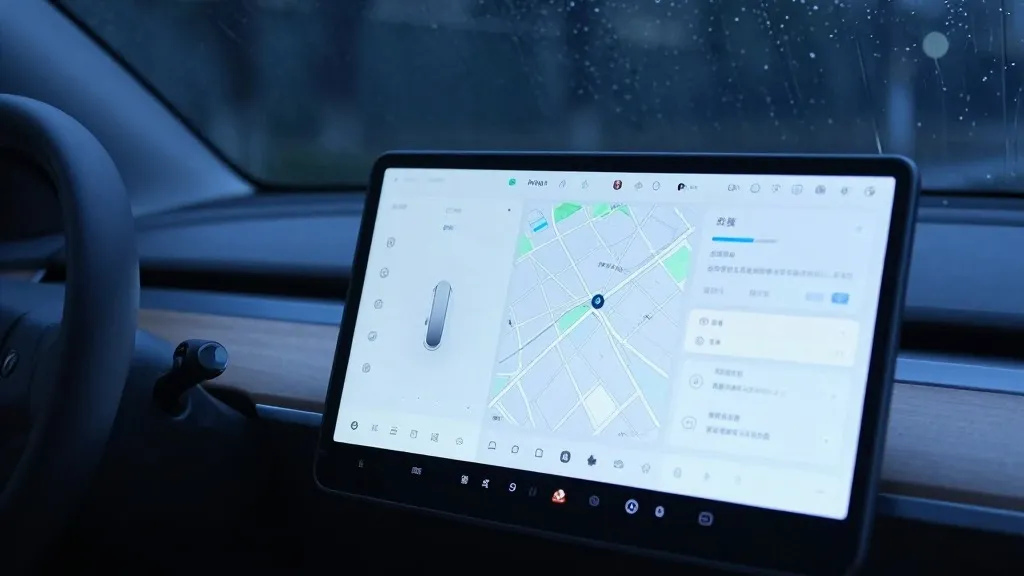
The footage begins with a black screen featuring red graphics and a 3D wireframe of the car next to its squared off yoke. Interacting with the model brings up controls for the rear wing, including options for low drag and high downforce, as well as a charging page with a limit bar and music player. The bottom of the screen features standard tabs for Home, Vehicle, Listen, Climate, and Navigate.
The majority of the demonstration focuses on Track Mode. This view displays a live circuit map, session lap times, and critical mechanical data such as brake and motor temperatures. Drivers can also monitor pressure and temperature for each tire. A setup page allows for adjustments to aero balance, brake balance, and the deactivation of stability and traction controls. A status bar at the bottom clearly reads Thruster at 5,500 PSI alongside a Boost Ready indicator.
This software interface directly ties into the hardware details previously outlined. The Thrust and Rocket versions utilize cold gas thrusters fed by carbon overwrapped pressure vessels. Tesla claims 0 to 60 mph acceleration times of under 0.9 seconds for the Thrust model and under 0.59 seconds for the Rocket. The base Performance model relies on a fan and ground sealing system, which corresponds to the active wing and suction settings visible on the screen.
The layout diverges from Tesla’s standard map centered design by placing the car model at the center of the home page. Two smaller forward displays will accompany the main touchscreen. It remains unclear if this specific telemetry will appear in other models like the Model 3 Performance. Elon Musk stated at the October event that production will begin in 2028, with the Rocket version currently not approved for public road use. Reservations are open with a $50,000 payment, while the Thrust is a limited release and the Rocket is invite only.
The public will have its first opportunity to see the vehicle in person this weekend. From October 24 to 27, the Roadster will be on display in the lobby of the Petersen Automotive Museum in Los Angeles. This exhibition marks the first time the car will be available for close inspection by the general public.
Source: Teslarati