Algeria Ratifies Troop Deployment to Protect Sonatrach Assets in Niger
Parliament approved the mission to secure oil facilities, marking a shift from the country's traditional noninterference policy.
By Jason Fischer ·
Algeria’s Parliament approved a plan to deploy troops to neighboring Niger, authorizing a military presence to protect state-owned energy assets. The People's National Assembly, the lower house, ratified the deployment on Sunday. The Council of the Nation, the upper house, had already endorsed the proposal unanimously earlier that same day.
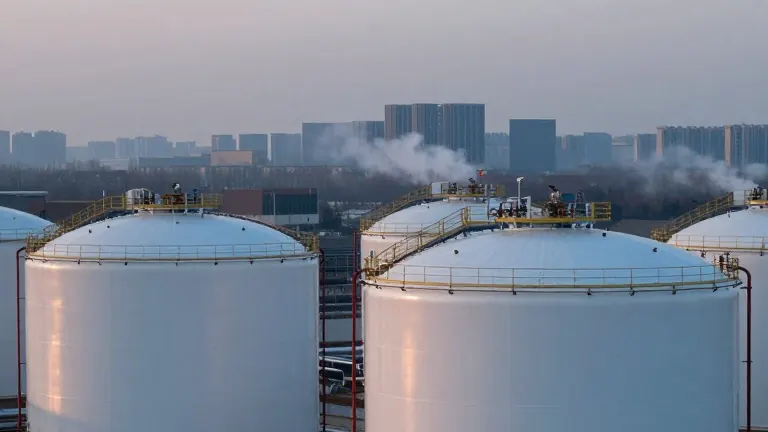
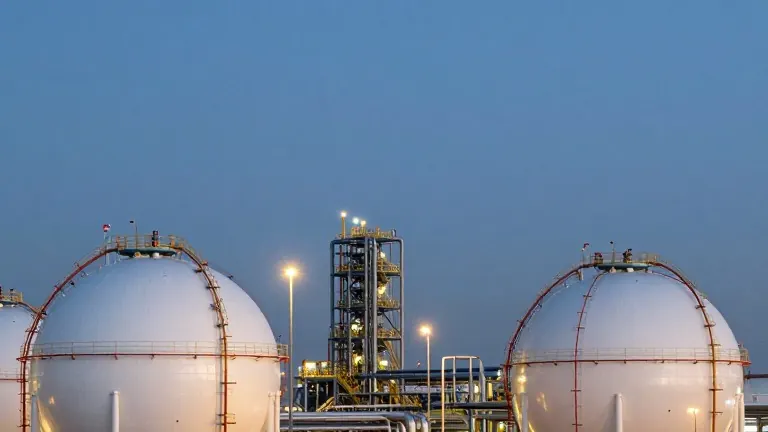
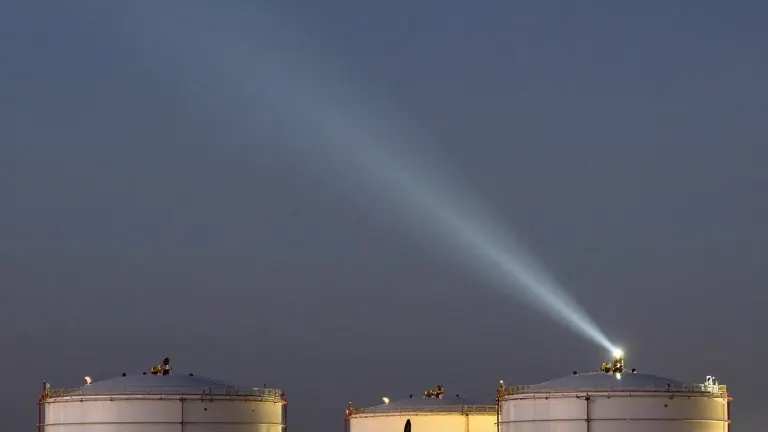
Officials have not specified the number of soldiers or the timeline for their arrival. The Associated Press reported that the primary objective is to safeguard Algeria's economic and strategic interests. Specifically, the mission aims to secure oil facilities in Niger operated by Sonatrach, the state-owned energy company.
Senator Belkacem Boulghiti addressed reporters after the vote. He stated that Algeria is not sending soldiers to wage war but to secure economic infrastructure. He described the move as an adaptation of military doctrine to evolving circumstances.
This approval follows a preliminary military buildup in Niamey. Nearly two months ago, Algeria dispatched four Russian-made Sukhoi Su-30 jets, a transport aircraft, and an aerial refueling aircraft to the region. Algerian authorities characterized that initial move as a response to attempts to destabilize the military-led government in Niger.
Diplomatic relations between the two nations have improved over the past year. Niger's President Abdourahamane Tchiani visited Algeria in February. His defense minister, Salifou Mody, subsequently traveled to Algiers to discuss security cooperation. Ties had previously been strained by Algeria's condemnation of the 2023 coup in Niger. Frictions increased in April when the Algerian army shot down a Malian drone, prompting Niger, Mali, and Burkina Faso to recall their ambassadors from Algiers.
The deployment represents a departure from long-standing foreign policy principles. Algeria has traditionally avoided sending forces beyond its borders, a stance guided by a focus on sovereignty and noninterference. Overseas missions have been rare since the country's participation in the 1973 Arab-Israeli war. A 2020 constitutional revision established the legal framework for such actions. Article 91 allows the president to authorize deployments with the support of at least two-thirds of members in each parliamentary chamber.
The decision occurs within a context of high military spending. The Stockholm International Peace Research Institute reported that Algeria spent more than $25 billion on its armed forces in 2025. This figure positions the country as the largest military spender in Africa. The deployment also follows diplomatic friction with other regional and international partners. In September, Algeria severed ties with the United Arab Emirates, citing hostile and provocative actions without providing specific details.
Instability in the Sahel region directly impacts Algiers. The country shares thousands of kilometers of borders with Mali, Niger, and Libya. The current security crisis is partly linked to the fall of Muammar Gaddafi's government in 2011. Following that event, weapons and fighters, including Tuareg veterans from Libya, spread into neighboring states. This influx helped fuel a rebellion in northern Mali in 2012. Since that year, Mali, Burkina Faso, and Niger have collectively experienced six military coups.
The regional military balance has shifted as traditional partners withdrew forces. France pulled its troops from Mali in August 2022, Burkina Faso in February 2023, and Niger in December 2023. In April 2024, approximately 100 Russian personnel linked to Africa Corps arrived in Niamey to provide equipment and training. The United States removed about 1,000 soldiers from Niger in 2024 after the military government terminated their security agreement.
The deployment could also advance energy infrastructure projects. The planned Trans-Saharan Gas Pipeline would transport Nigerian gas to Europe through Niger and Algeria. Securing the route and related facilities is a key component of the mission's economic rationale.
Source: Al Jazeera
More Business · World news · Bad Business · Report a business · Got a Story?