London Dining: Gulf Expansion Amid UK VAT Pressure
Fallow's owner cites a 20% tax rate and better foreign work cultures as drivers for opening new locations in the Middle East and Asia.
By Eric Laurent ·
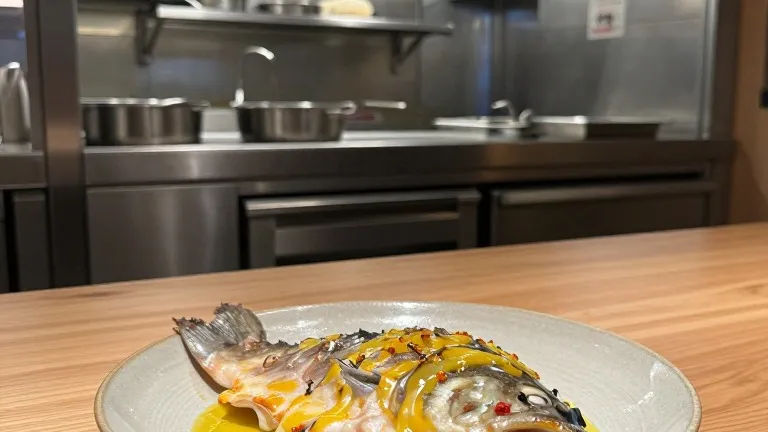
James Robson, co-owner of the St James's Market restaurant Fallow, has signed a deal to open a branch in the Gulf region. He described the move as a response to a 'tax tsunami' in the United Kingdom and a superior work ethic abroad. Fallow serves approximately 1,000 customers daily and has gained a following of 650,000 on Instagram.
The tax rate for hospitality is the primary financial driver for this expansion. The United Kingdom charges 20% value added tax on restaurant food, a rate that is among the highest in Europe. The average rate for restaurants across the continent is roughly 12%. Italy, for example, charges a 10% rate on food served in restaurants. Robson and other chefs are asking Chancellor Andy Burnham to lower the rate in next week's budget.
Robson pointed to other corporate levies as contributing factors. He cited the 25% corporation tax rate and dividend tax rates of 40% or more. He argued that the government has 'sleepwalked into multiple anti-growth taxations' over the last two budgets and expects further increases in the upcoming fiscal statement. He stated that the current balance of risk and reward no longer supports growth in the domestic market.
The shift to the Gulf is part of a wider trend among London's high-end dining groups. Scott's of Mayfair has already opened in Dubai, as have the two Michelin-starred Indian restaurant Gymkhana and the Chinese venue Park Chinois. The Borough Market bakery Bread Ahead has also opened a location there. The Mayfair restaurant Isabel's, known for its political clientele, has opened in Abu Dhabi. These openings are proceeding despite recent conflict in the Middle East, which caused some expatriates to leave the region.
The presence of war has affected the local hospitality sector. Dinner by Heston has remained temporarily closed following the US-Israeli war in Iran. The Michelin guide faced criticism earlier this month for listing 16 restaurants that are currently closed, a result of inspections conducted before the conflict began. Robson said he does not resent paying taxes in the UK but is focusing on overseas markets to manage financial risk.
Jason Atherton, a Michelin-starred chef, now spends one-third of his time at his Dubai restaurant. He said it is easier to make a profit there than in London. Robson is also exploring opportunities in East Asia and the United States. He noted that America champions business, the Gulf actively assists companies, and East Asia has a work ethic and tax system that compares favorably to the UK.
Human rights groups have urged caution on the expansion. Felix Jakens, director of campaigns at Amnesty International UK, said the United Arab Emirates has a poor record on workers' rights. He noted that migrant workers, who form the majority of the population, are tied to employers through a sponsorship system. These workers cannot form trade unions and may face abuse. Jakens called for proper human rights due diligence to ensure kitchen staff are treated fairly and paid properly.
Source: The Guardian
More Business · World news · Bad Business · Report a business · Got a Story?