Israel's Election Leaves No Side With Full Control
Netanyahu's bloc holds 53 seats while the opposition commands 48, forcing a difficult choice between governing with historic Palestinian representation or facing a new vote.
By Eric Laurent ·
Benjamin Netanyahu's coalition lost its parliamentary mandate in Tuesday's Knesset election, leaving Israel without a clear governing majority. The far-right bloc secured 53 seats, falling short of the 61 required to control the 120-member legislature. The opposition group led by retired general Gadi Eisenkot won 48 seats, while Palestinian parties claimed 19, marking a record high for their representation in the Knesset.
Neither bloc can form a government alone. President Isaac Herzog is expected to invite the party most likely to assemble a coalition to begin negotiations. He has urged politicians to keep an open mind before talks commence. The outcome hinges on whether Eisenkot's camp is willing to partner with the Palestinian-led parties, a move that could provide the necessary numbers to unseat Netanyahu.
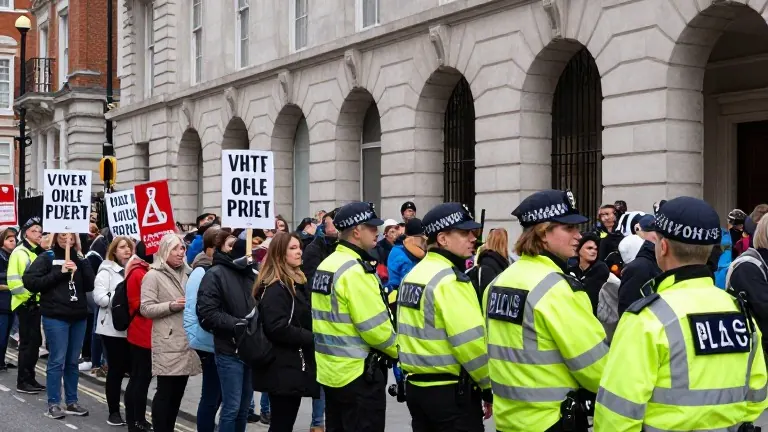
Netanyahu has disputed the results, claiming that Palestinian-led parties stole the election. He made this assertion on Wednesday night despite Israeli authorities stating there is no evidence of fraud. Far-right finance minister Bezalel Smotrich called for the arrest of Arab Israeli leaders, amplifying the narrative of foreign interference. Qatar's foreign ministry rejected what it called ridiculous and dangerous accusations of involvement in the vote.
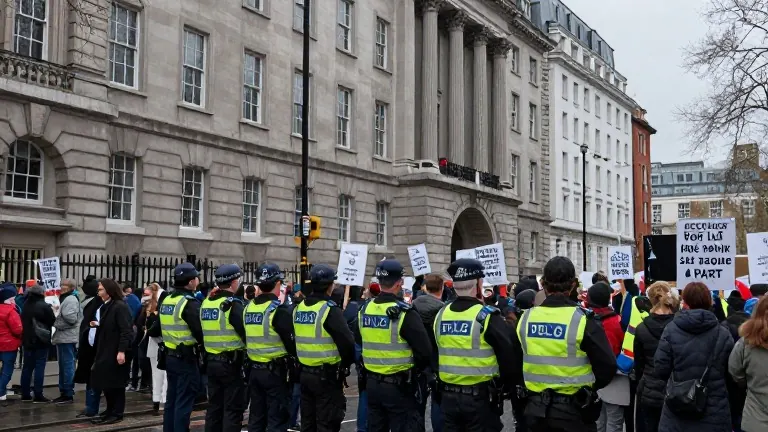
The campaign was marked by intense rhetoric regarding security and the role of Palestinian citizens, who make up about 20% of the population. Netanyahu and his allies framed the Palestinian vote as a threat, using the slogan the right or Palestine to mobilize supporters. On election day, voters received robocalls from the prime minister's office claiming party leaders were caught with cash, a claim that was not supported by evidence.
Opposition leaders pledged a state commission of inquiry into the events of October 7, 2023, when Hamas attacks killed about 1,200 people. They also addressed voter anger over the social cost of three years of war and the draft exemption for ultra-orthodox men. Many young Israelis, who tend to vote right-wing, focused on domestic security concerns and the need to end the multi-front conflicts.
Palestinian voters turned out in historic numbers, driven by pressure from the current government and events in Gaza and the West Bank. The Joint List, led by Yousef Jabareen, has said it will not join an Eisenkot-led government due to its support for the military operations in Gaza and Lebanon. However, it has left open the possibility of supporting a minority government through confidence votes.
Ra’am, led by Mansour Abbas, is the other major Palestinian party. It includes a Jewish former chief of police on its slate and previously joined Naftali Bennett's government in 2021. That coalition collapsed after 18 months. A survey taken as polls closed showed a majority of opposition voters supported forming a government with Ra’am to remove Netanyahu from power.
Eisenkot has not ruled out cooperation with Palestinian parties but has set conditions that many critics call politically difficult to accept. If the opposition fails to reach an agreement, Netanyahu may push for a right-wing coalition or call for new elections. He would likely remain as caretaker prime minister during any period of uncertainty, a scenario he would welcome while his opponents race to form a stable government.
Source: The Guardian