Spain's Set Lunch Costs 14.70 Euros
Daily servings of the menú del día have fallen to four million, a decline food journalist Lakshmi Aguirre attributes to economic pressures and shifting routines.
By Eric Laurent ·
Four million set lunches are served in Spain each weekday, a figure that has dropped from its historical peak as the traditional midday ritual loses ground.
The menú del día, a fixed-price meal consisting of a starter, main course, and dessert or coffee, has been a staple of Spanish dining for more than half a century. While it remains common, the habit is slowly fading.
In 2009, renowned chef Ferran Adrià declared the menu dead, citing changing eating habits and the rise of bistro-style restaurants charging 20 to 30 euros for similar fare. Seventeen years later, the practice persists, though it faces new economic pressures.
Lakshmi Aguirre, a Spanish food journalist, explores the history and current state of this tradition in her new book, Menú del Día: Everyday Scenes of a First Course, a Second Course and Pudding. She argues that while the menu is in trouble, it is not yet finished.
The origins of the menú are rooted in government policy. It began in the mid-1960s as a tourist menu devised by Manuel Fraga, the information and tourism minister under dictator Francisco Franco. The regime aimed to show foreign visitors that food in Spain was plentiful and affordable after the civil war years. Establishments were required to serve a soup starter, a main of egg, fish, or meat with a side, and a pudding of fruit, sweets, or cheese.
Prices were fixed between 50 and 250 pesetas, and the accompanying quarter-litre of wine had to be pure Spanish red or white with at least 12% alcohol to prevent dilution. In the early 1970s, the offering was renamed to reduce its association with tourists and to encourage domestic consumption.
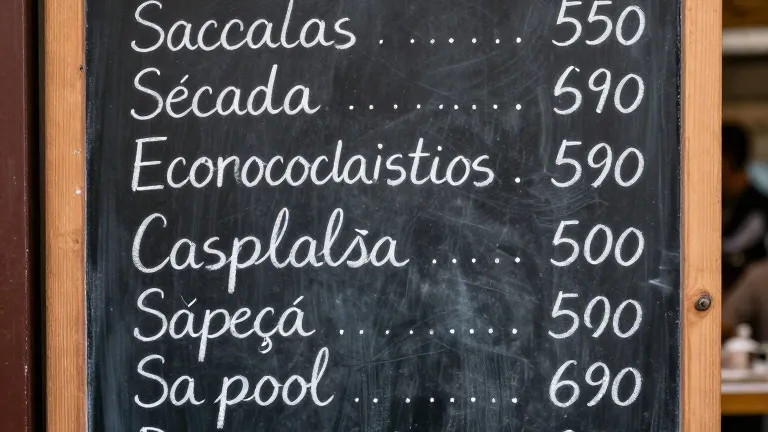
Today, the average price of the menú has reached 14.70 euros. Many Spaniards now opt for quick lunches, bringing food from home or microwaving supermarket meals. Rising energy and food costs make it difficult for small, family-run restaurants to maintain rotating daily choices. Some have switched to a single dish of the day, while others have added Latin American staples to reflect changing demographics.
Aguirre notes that nostalgia for the menu is growing as people realize it is fading. She describes it as a crucial social hub where families with limited means can eat out and individuals living alone find company. For her, the true value of the menú lies not just in the affordability of the meal, but in the time it allows diners to enjoy it.
Source: The Guardian