Spiraling Inflation Forces Iranians to Abandon Savings and Dining Out
Rising costs and currency devaluation are compelling households to cut back on meat, travel, and financial reserves to survive the economic squeeze.
By Eric Laurent ·
The core tension in Iran’s current economic landscape lies in the gap between stagnant wages and skyrocketing prices. This disparity is forcing families to make painful choices about basic survival, often sacrificing long-term financial security for immediate needs. The result is a society where even middle-class comforts have become rare luxuries, and the act of saving money has virtually disappeared for many residents.
This shift in behavior is driven by years of international sanctions, persistent inflation, and the steady decline of the rial. These underlying weaknesses were exposed during the protests in January, which authorities suppressed with a deadly crackdown. However, the pressure intensified after the United States and Israel launched a war against Iran on February 28, an event that damaged critical infrastructure and disrupted trade flows in both directions.
The economic isolation has deepened due to a US naval blockade of Iranian ports, which sharply reduced oil exports and the import of goods. Iranian attempts to control the Strait of Hormuz through attacks have further hindered shipping lanes. In August, the US Treasury launched a new sanctions campaign, a move US officials termed Economic D-Day, designed to isolate Tehran financially from the rest of the world.
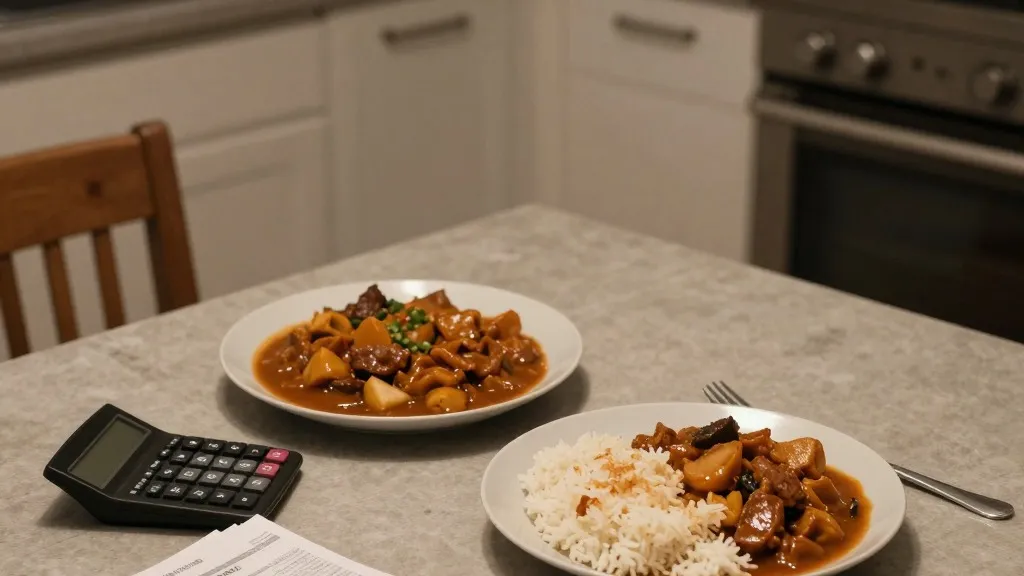
Recent field surveys in central Tehran indicate that families are reorganizing their shopping priorities to determine which necessities can be skipped. Activities once considered standard for the middle class are being abandoned entirely. The cost of preparing food at home illustrates this change clearly, with the price of chicken and barberry dishes nearly doubling in just one year.
A typical meal of ghormeh sabzi, the herb stew often regarded as a national dish, now costs 23 million rials or approximately $8.45 when served with rice. Similarly, potato patties known as kookoo sib zamini run about 4 million rials. For one family, the strategy involves saving most meat and chicken for growing children while the parents consume legumes and meat substitutes to stretch their budget further.
Data from the fact-checking outlet Factnameh reveals that a basket of 11 essential food items cost 56 million rials per person in September. For a family of three, this totals more than 168 million rials, or $61.70. The government’s food voucher, valued at 10 million rials, covers less than 18 percent of this per-person cost, a significant drop from the 30 percent coverage seen in December 2025.
Annual inflation reached 89.9 percent in September, while the average monthly wage remains estimated at around $100. Central Bank Governor Abdolnaser Hemmati acknowledged the heavy burden on citizens on October 23, though he argued that efforts to isolate the economy had failed to reach their primary objective. A retired woman on a monthly pension of 180 million rials reports cutting back on protein sources since March, citing health worries despite her rent-free housing.
The strain is also evident among those earning above average. A middle-aged man in western Tehran with household earnings of 1 billion rials, well above the Tehran average of 600 million, stated that he can live for today but has no savings for tomorrow. Travel and dining out have vanished from his routine. Meanwhile, a 28-year-old woman earning 400 million rials monthly says she now splits single dishes with friends to afford weekly cafe visits, noting that sharing is the only way to maintain social outings.
Source: RFE/RL
More Business · World news · Bad Business · Report a business · Got a Story?