Syria envoy: Sweida militias funded by captagon trade
US special envoy Tom Barrack alleges that 90 percent of the nation's illicit drug revenue arms local Druze groups in the south.
By Eric Laurent ·
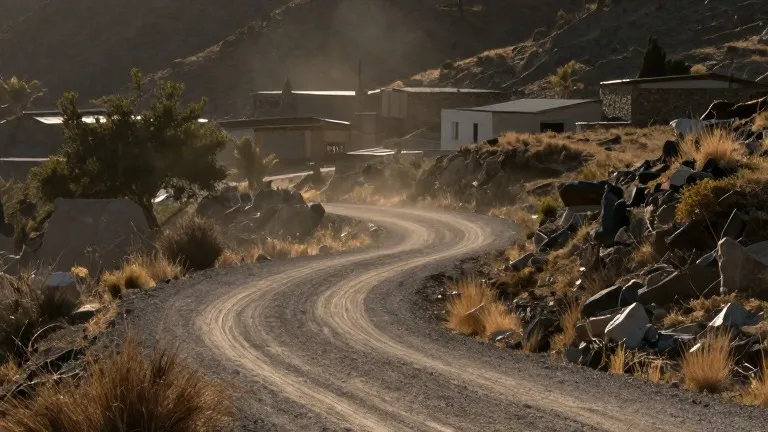
US special envoy Tom Barrack stated that militias in southern Syria are purchasing weapons with profits from the captagon trade. He claimed that 90 percent of the country's production of the drug originates in the Sweida and Daraa region. Barrack described the area as a global hub for manufacturing the substance, comparing the operation to a methamphetamine factory.
The envoy directed specific criticism at a prominent Druze spiritual leader in Sweida. Barrack argued that this figure, identified in the region as Hikmat al-Hijri, uses the perception of backing from Israel and the United States to target other members of the Druze community. Although Barrack did not name the sheikh in the interview, he noted that the leader opposes Damascus authority and advocates for full independence.
Barrack rejected the idea that Washington explicitly supports the sheikh. He called such claims absolutely wrong. The tension between these factions became visible earlier this month when supporters of al-Hijri raised Israeli flags during a rally in Sweida. The gathering marked the anniversary of the October 7, 2023 attacks.
The Bashan administration, which is affiliated with al-Hijri, responded to the accusations with a statement expressing anger. The group denied that Jabal Bashan is a center for captagon production. They argued that the community has historically fought against smuggling networks and that young men have been sacrificed in the effort to end the trade.
Political friction in the region increased after al-Hijri declared in May 2026 that the move toward self-determination is irreversible. He emphasized the goal of establishing an administration for Jabal Bashan that is distinct from the government in Damascus. Barrack noted that Israel has framed its military interventions in southern Syria as efforts to protect the Druze. This includes strikes against Syrian government forces in Sweida in July 2025.
Barrack observed that Syria has shown restraint in response to Israeli incursions. He suggested that President Ahmed al-Sharaa does not desire a confrontation, despite Israel's wariness of the new leadership. The two nations have held five rounds of border talks since May 2024. Barrack expressed confidence that the sides will reach a final understanding.
Source: Middle East Eye