Tesla delays Optimus robot deliveries to late 2027 as hand durability remains a hurdle
The automator moved its external sales target further into the future, citing significant challenges with the robot's fingers and overall reliability.
By Eric Laurent ·
Tesla has officially pushed the timeline for delivering its Optimus humanoid robots to outside customers to the end of 2027. During the third quarter 2026 earnings call, Elon Musk acknowledged that the robot still faces major hurdles in its hand design, durability, and artificial intelligence. These are the same fundamental issues that every major player in the humanoid sector is currently trying to solve.
Production is already underway on Tesla’s high-volume line in Fremont, a facility previously dedicated to the Model S and Model X. While most of the equipment for a potential annual output of one million units is installed, Musk noted that reaching a rate of 20,000 units per week will take at least another year. This delay is due to ongoing changes in the design, particularly regarding the electromechanical components and the AI architecture.
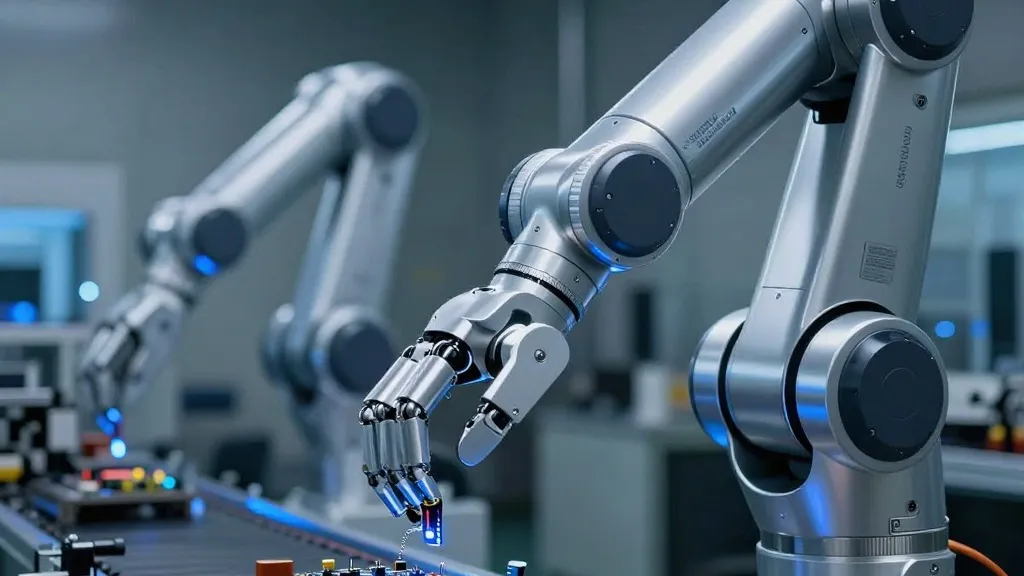
The primary hardware challenge identified by Tesla engineers is the hand. Fingers must be soft enough to handle delicate items while withstanding constant wear and tear, a difficult balance given that robots cannot heal like human skin. Custom gears also present reliability concerns. To address the lack of real-world data, Tesla plans to build between 10,000 and 20,000 robots for an internal training program called the Optimus Academy. The company also intends to integrate its AI5 chip into the robots by April 2027.
Competitors are making comparable progress, challenging Musk’s assertion that no one is close to Tesla’s capabilities. XPeng activated an automated production line for its IRON robot in Guangzhou in September, with over 80% of core processes automated. The company aims for mass production by the end of 2026 and deliveries in early 2027, a timeline similar to Tesla’s. Meanwhile, Boston Dynamics began producing its electric Atlas robot in January and has secured committed deployments for 2026, including work with Google DeepMind and Hyundai plants.
Tesla’s timeline has shifted multiple times since 2024, when Musk initially promised internal use in 2025 and high-volume external sales in 2026. The company’s recent shareholder letter describes current output as the first production-quality bots, implying previous units did not meet that standard. While Tesla may build the most robots, the industry focus is shifting from construction to utility. If Tesla’s upcoming video shows unscripted task completion, it would be a significant milestone, but history suggests these timelines are prone to slipping.
Outlook remains cautious as the sector grapples with generalization and reliability. Tesla is not alone in facing these technical barriers, but its competitors are less likely to claim a dominant lead. The next few months will be critical for validating whether the new late 2027 target holds up against the physical realities of robotic manufacturing and AI training.
Source: Electrek · original report published