Brazil Runoff: Lula Aims to Break History
With polls showing a statistical tie, 159 million Brazilians will vote Sunday after Lula failed to reverse his first-round deficit in beach rallies.
By Eric Laurent ·

Brazil faces a statistical tie on Sunday as 159 million eligible voters decide the presidency in a runoff that defies historical precedent.
The race between President Luiz Inácio Lula da Silva and far-right challenger Flávio Bolsonaro hinges on whether Lula can reverse a first-round loss. Bolsonaro secured 47% of the vote on October 4, while Lula received 45%. Since the return of democracy in the 1980s, no candidate who trailed in the first round has won the subsequent runoff. A victory for Lula would be the first such turnaround in the nation's modern democratic history.
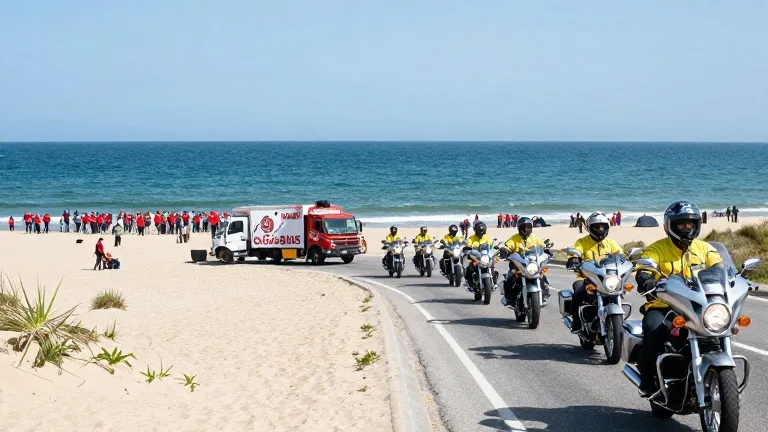
The campaign entered its final phase with mass mobilization in Rio de Janeiro. On Saturday, tens of thousands of supporters dressed in red gathered on Copacabana Beach, a stretch measuring 2.5 miles. Activists displayed banners urging a reversal of the polling trends. Josias Silva, a 61-year-old truck driver, carried a handmade sign predicting Lula would win over 60% of the vote, a figure far higher than current poll estimates. Most analysts maintain that Bolsonaro holds a slight advantage. Lula has gained ground in recent days following reports of scandals involving his opponent, including a claim by the magazine Piauí that Bolsonaro attended a boat party during the 2020 pandemic.
The stakes extend beyond policy differences to the status of Jair Bolsonaro, the father and former president, who is currently serving a 27-year prison sentence for plotting a coup. If Flávio Bolsonaro wins, Brazilian press reports indicate that several of his father's jailed associates could receive senior military and police positions. Marta Moraes, a 59-year-old restaurateur, described her opposition as a rejection of "Bolsonarismo." She cited the loss of four relatives due to pandemic management under the former president. The Lula campaign has organized its base through a WhatsApp group with 10 million members, known as "Lula's Army," which has been active since the first round.
In Belo Horizonte, the capital of Minas Gerais, thousands of Bolsonaro supporters gathered in Praça da Liberdade. The state holds the second-largest electorate in Brazil and serves as a key bellwether, as no candidate has won the presidency without carrying it. Bolsonaro led by just under 5% in the state during the first round. Antonio Carlos Costa Jr., a shooting club owner, defended the challenger's security platform, noting that his father loosened gun laws while Lula has since tightened them. Security experts argue that the earlier loosening diverted firearms to criminal gangs, a concern Lula's backers emphasize. Erika Cavalcante, a 43-year-old architect, carried a sign reading "Don't let the mobsters win," reflecting doubts about Bolsonaro's ability to control crime given his ties to Rio's paramilitary militias.
The voting process concludes Sunday. The outcome will determine whether the presidency changes hands from the left to the right or remains with Lula in a historic first.
Source: The Guardian