Osasco's shift from factories to malls complicates Lula's path to the presidency
The industrial decline in a key suburb of São Paulo has moved local voters from the left to the right ahead of Sunday's final vote.
By Jason Fischer ·
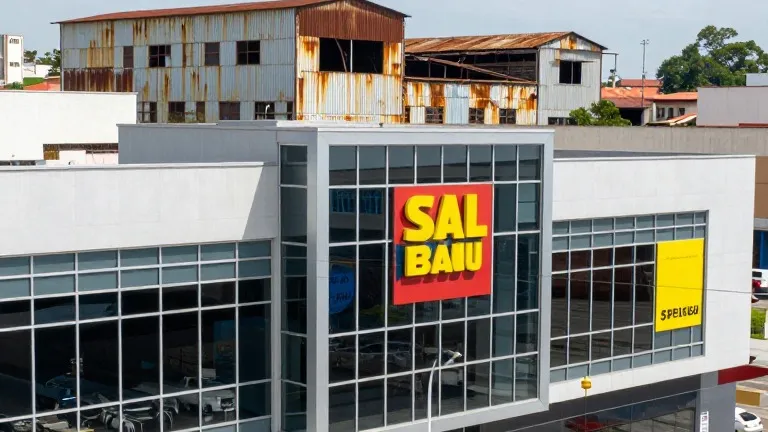
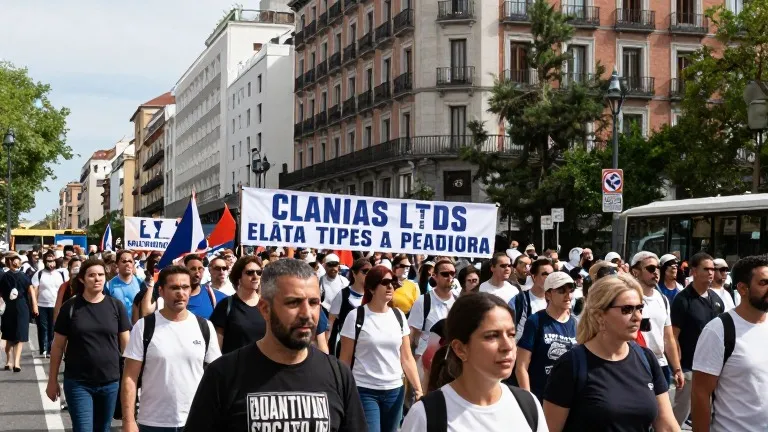
Osasco, a suburb of São Paulo once known for heavy manufacturing, has transformed into a hub for commerce and digital services. This economic shift is altering the political calculations in the Brazilian presidential run-off scheduled for Sunday.
The municipality voted for Luiz Inácio Lula da Silva in 2022. In the first round this month, residents backed Flávio Bolsonaro, who led the national field. Historical trends suggest the first-round winner usually secures the presidency, a pattern holding since 1989.
Gilberto Almazan, a metalworkers' union leader, describes the local economy as having lost its industrial base. He notes that metal, chemical, and textile plants have closed, replaced by five shopping malls. Almazan characterizes the traditional union movement as outdated compared to the current labor market.
Many residents now work as drivers, couriers, or small traders. Almazan refers to this trend as "Uber-isation," arguing that these workers prioritize flexibility over the collective benefits associated with Lula's platform. Richard Lapper, a biographer of both Lula and Jair Bolsonaro, describes Lula as a "victim of his own success" due to Brazil's rapid industrialization and subsequent decline.
Despite a record low in unemployment and removal from the UN's Hunger Map, dissatisfaction persists. Robson, a 53-year-old civil servant, cites high taxes and government mismanagement. Tairine, a hot dog seller who previously abstained, plans to vote for Bolsonaro, stating that conditions have not improved since Lula's return. Lawyer Gisele Bonfim, a 2022 Lula supporter, says Bolsonaro offers a "hope of change."
Flávio Bolsonaro proposes reducing government spending and ministries while retaining some welfare programs. He has denied corruption accusations. In the first round, 33 million Brazilians did not vote, the highest abstention rate since 1998.
Lula's campaign is countering with large street rallies, claiming one in São Paulo drew about a million people. The 80-year-old president uses social media to address age concerns, calling himself the "king of selfies." In Rio's Maré favela, where abstention was high, Lula still won among voters. Vitoria, an 18-year-old mother, supports his wage increases but fears police actions under Bolsonaro.
Evangelical churches are increasingly providing social services like childcare and food assistance. Pastor Silas Malafaia, who is under investigation for alleged obstruction of justice, supports Flávio Bolsonaro on family values. Almazan fears that the era of Lula's industrial base is ending, leaving voters to decide if the president can offer a new narrative.
Source: BBC News
More Politics · World news · Report a business · Got a Story?