Federal Intervention Halts Progress on Local Reparations Programs
Justice Department joins legal challenge against Evanston's housing grants, while universities face pressure to scale back related initiatives.
By Sofia Molina ·
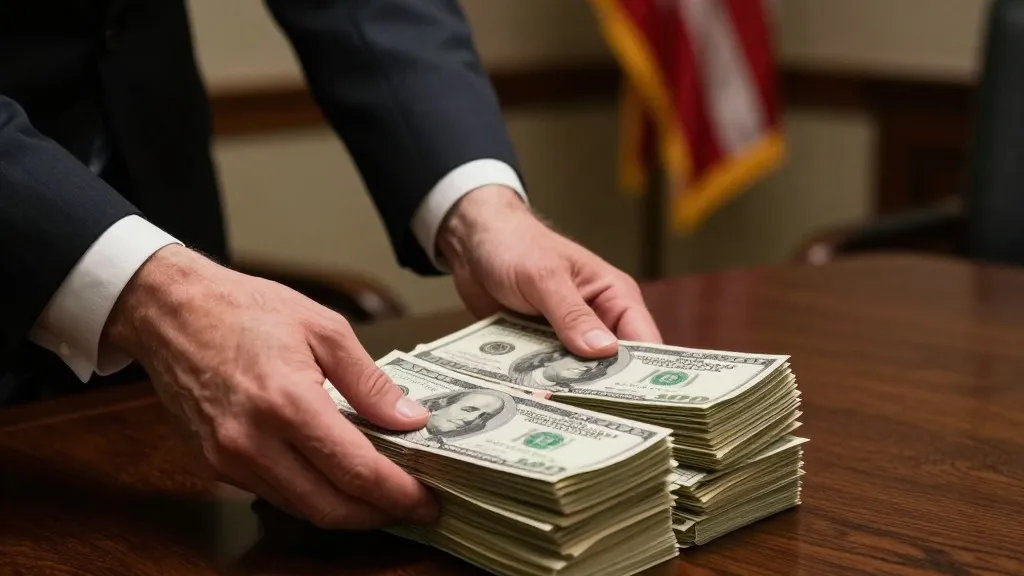
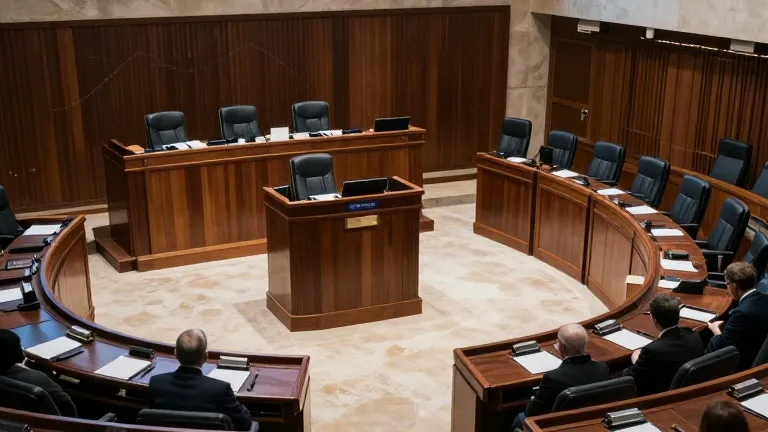
Residents of Evanston, Illinois, face a new federal hurdle in their access to $25,000 housing grants. The program, designed for Black residents whose families were harmed by discriminatory housing policies, is the subject of an active legal battle. A federal judge recently permitted the Justice Department to intervene in a lawsuit that challenges the city's distribution of funds by race. The department alleges the program violates the 14th Amendment's equal protection clause and the Fair Housing Act. Michael Bekesha, the attorney representing the plaintiffs, stated that the Constitution prevents governments from selecting winners and losers based entirely on race.
This legal move is part of a wider administration strategy to limit federal backing for race-based initiatives. In a warning letter sent last year to leaders in Asheville and Buncombe County, North Carolina, the Justice Department cautioned against similar local programs. Kiersten Pels, a Justice Department spokeswoman, asserted that race-based government benefit programs are unconstitutional and frequently violate federal civil rights law. The administration's actions follow President Donald Trump's September speech, in which he told supporters that they want to steal money for reparations and that the cause is going nowhere.
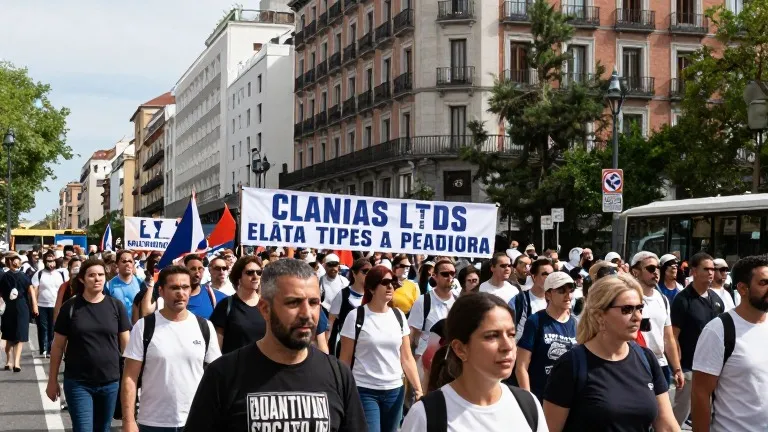
Robin Rue Simmons, a former city councilwoman who chairs Evanston's Reparations Committee, said she is working to spread the program to more than 100 communities. She noted that while the current administration creates barriers, the group still stands on federal redress as a collective north star. The legal fight over Evanston's grants follows a March resolution by the U.N. General Assembly, which called the trafficking of enslaved Africans the gravest crime against humanity. More than 120 countries backed that resolution, while the United States voted against it alongside Argentina and Israel.
Higher education institutions are also experiencing pressure. Richard Cellini, who previously led a Harvard project identifying descendants of enslaved people, said new work across the sector has stalled. His team found nearly 500 living descendants, but Harvard fired the team days after Trump's January 2025 anti-DEI order. Kirt von Daacke, a University of Virginia historian, reported seeing no new scholarship programs since the president returned to office. Georgetown University, however, continues to offer admission consideration to descendants of enslaved people tied to its past.
Some recipients continue to use the funds they have secured. Juan Woolfolk, 36, is using a $10,000 scholarship to study museum studies at Southern University at New Orleans. Virginia Theological Seminary makes annual cash payments to descendants of people who labored on its campus, funded by an endowment that grew from $1.7 million to $2.8 million since 2019. In Evanston, Joe Martin, 46, a Delta flight attendant and grant recipient, said the government is resisting legitimate programs. He noted that 40 acres and a mule did not go down the way it was supposed to.
The trans-Atlantic slave trade forced an estimated 12.5 million Africans onto ships bound for the Americas. About 1.8 million did not survive the journey, and roughly 388,000 were taken to what is now the United States. William Darity, a co-author of a book on reparations, said no president has supported comprehensive Black reparations. He observed that while Trump will speak the word, he does so with hostility. The next legal step involves the federal court's review of the Justice Department's intervention in the Evanston case.
Source: KSAT 12
More Politics · Georgetown news · Report a business · Got a Story?