Two toads and 24 hours: How one Austin backyard pond sparked a local ecosystem
Claire Sorenson details the specific materials, plants, and rainwater systems required to support aquatic wildlife in South Texas yards.
By Sofia Molina ·
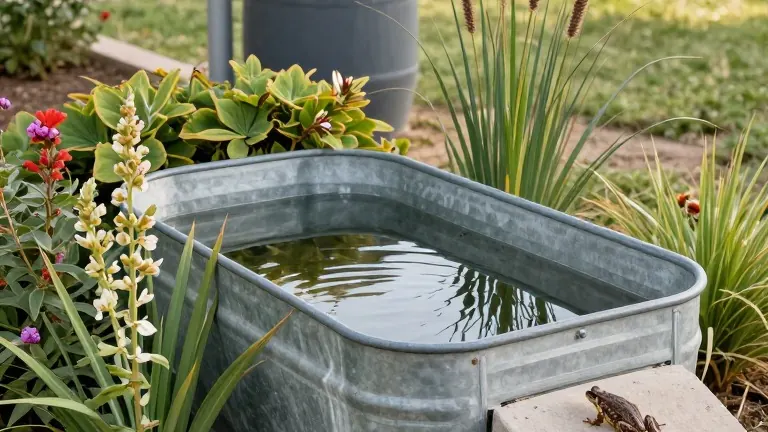
Two Gulf Coast toads appeared on the patio of a south Austin home just days after the residents installed a new water feature. By the following night, the pair produced mating calls, and strings of eggs formed in the smaller pond. Within 24 hours, those eggs hatched into tadpoles. This rapid colonization occurred shortly after the family moved the ponds to a new property located a short distance from their previous residence.
Claire Sorenson of the Austin Chapter of the Native Plant Society of Texas reported these developments in the Fall 2026 issue of Texas Native Plants magazine. Sorenson noted that residents often assume a lack of aquatic species in their area because they do not see them. She argued that adding a simple water source reveals existing local populations that are simply hidden from view. The article outlines a method for creating a low-maintenance habitat that supports diverse wildlife without complex infrastructure.
The setup requires minimal equipment. Sorenson recommends using metal livestock troughs, plastic liners, or large plastic tubs as containers. Tap water must be treated to remove chlorine, which is toxic to aquatic life. Homeowners can achieve this by letting water sit for 24 hours, using aquarium chemicals, or collecting rainwater. She advises using native plants such as whitetop sedge, cardinal flower, and pickerelweed. These species provide specific habitats for local insects and amphibians.
Mosquito control is a primary concern for residents. Sorenson suggests using chemical dunks or mosquito fish. If the goal is to support amphibian reproduction, dunks are the preferred method because mosquito fish consume frog and toad eggs. Dunks cost very little and require replacement only once a month. Rocks stacked inside the pond create ramps for amphibians to enter and exit the water, as well as perches for birds.
A variety of species visited the ponds immediately after installation. House finches, goldfinches, and red-winged blackbirds used the water to drink and bathe. Bees and wasps also stopped for a drink. Sorenson observed dragonfly larvae in the water and saw an adult dragonfly hover near the surface. The presence of these animals confirmed that the habitat was functional without the need for an aerator or water filter. The plants oxygenate the water and keep it clean as they grow.
The system is powered by a simple rainwater collection setup. Sorenson connects 55-gallon barrels to gutter downspouts using 3-inch PVC pipes. A small pump or gravity moves the water to the ponds. Filter baskets at the top of the downspouts and tanks prevent debris from clogging the lines. The City of Round Rock currently offers a rebate to water customers who install rainwater collection systems.
Sorenson notes that hair algae is common in new ponds but diminishes as other plants grow and shade the water surface. Tadpoles require no feeding and consume existing algae and small bugs. The entire process relies on native species and simple mechanical components to create a self-sustaining environment.
Source: City of Round Rock