Saddam Haftar Ratifies Turkish Deal to Secure Presidential Bid
Benghazi's legislature approved the maritime agreement in a single session, a move designed to win Ankara's support for a US-brokered power-sharing plan.
By Eric Laurent ·
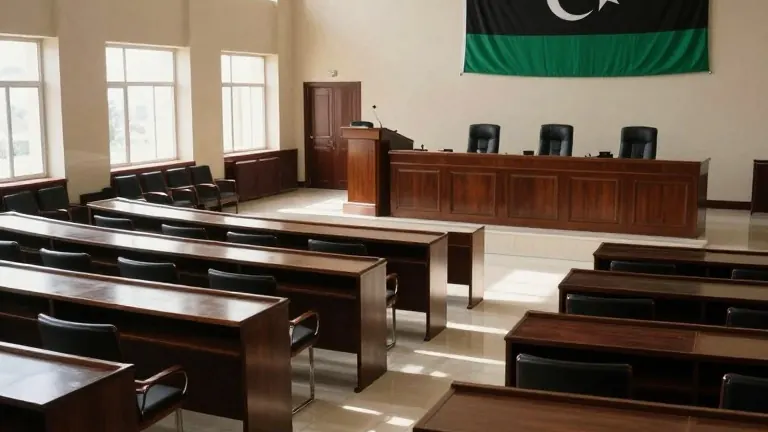
Saddam Haftar, son of eastern Libyan commander Khalifa Haftar, moved to secure his path to the presidency by securing Turkish backing. On October 20, the House of Representatives in Benghazi ratified the maritime memorandum of understanding with Turkiye. The vote concluded in a single sitting, a stark contrast to the nearly seven years Eastern Libya had spent rejecting the same agreement when it was signed by rivals in Tripoli.
The ratification follows a rapid shift in leadership at the Benghazi chamber. Two weeks before the vote, legislators removed Aguila Saleh from the speaker's office after he held the position for 12 years. Saleh was viewed as Cairo's key ally in the east and a primary obstacle to the treaty. His replacement, Al-Salhin Abdulnabi, chaired the Libyan-Turkish friendship committee and shares tribal ties with the Obeidat tribe, which helps manage local political risks.
The United States is currently negotiating a power-sharing arrangement between Tripoli and Benghazi. Massad Boulos, the senior adviser for Arab and African affairs to President Donald Trump, leads this effort. The proposed deal could install Saddam as president, but it requires Ankara's approval due to Turkey's influence in western Libya. The maritime deal serves as the necessary concession to secure that blessing.
Reactions to the vote were mixed. The European Union, Greece, Israel, and Egypt all condemned the ratification. Egypt's objection focused on legal encroachments into its exclusive economic zone. Athens and Nicosia expressed concern over the shift in maritime boundaries. Israel remains uneasy about Turkey's expanded regional reach.
Abu Dhabi is expected to support the succession. The Emiratis have invested heavily in the Haftar project over the past decade, and Saddam is considered their most loyal client. By accepting the Turkish maritime line, Saddam offers a modest concession to ensure his installation at the apex of the Libyan state. This move also allows him to distance himself from Israel, potentially gaining domestic support by appearing to resist Israeli influence.
Cairo presents the main uncertainty in the arrangement. Egypt and Turkey have aligned on issues regarding Sudan and the Red Sea, creating a potential channel for diplomatic compromise. If Cairo pushes for a different candidate, it could look to Khaled Haftar, Saddam's brother and the chief of staff of the Libyan Arab Armed Forces. Khaled is closer to Cairo and publicly criticized the US initiative in April. Such a shift would leave Saddam with fewer bargaining chips, as he would have already exchanged his most valuable asset for Turkish support.
The timeline for the final decision rests with Washington. The Trump administration is weighing its transactional interests against its partnerships with Greece, Cyprus, and Israel. Saddam is betting that the US desire for a stable Libyan deal will outweigh the objections of Athens and Nicosia. The outcome will determine if the document that sealed his father's defeat in 2020 becomes the foundation of his own administration.
Source: Al Jazeera