61 Seats: The Threshold Deciding Israel's Next Government
A new poll shows the opposition leading the coalition by six seats, while 81% of voters say they will cast a ballot in Tuesday's election.
By Sofia Molina ·

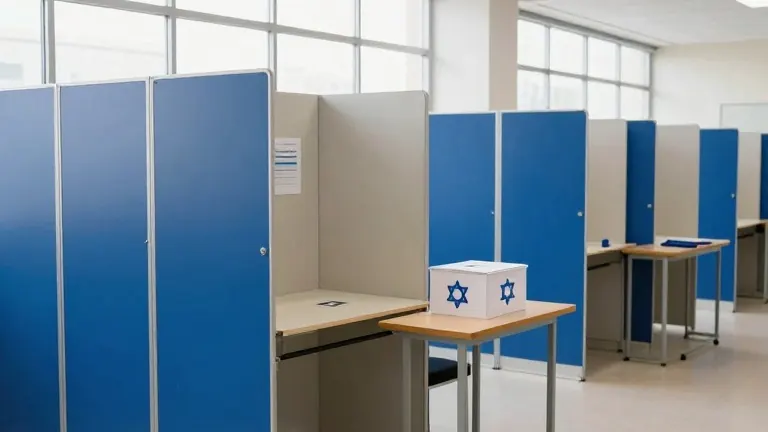
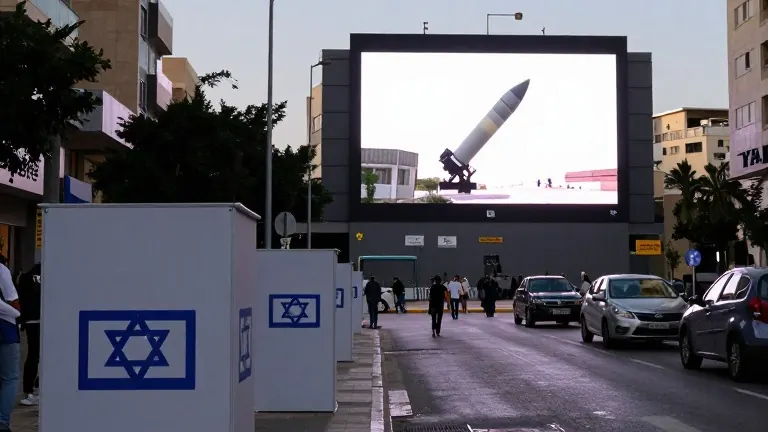
The 26th Knesset elections approach with a narrow margin that will determine who holds power in Jerusalem and across Israel. A Maariv poll published Friday shows the opposition bloc currently holds a six-seat lead over the coalition. This gap exists despite the two largest parties being separated by only two seats in the national vote.
The election requires 61 of 120 seats to form a government. The poll data indicates that support for the current coalition has slipped by three seats since the previous week. Gadi Eisenkot, head of the Yashar party, remains ahead of Prime Minister Benjamin Netanyahu in the tracking. The race is tight, and shifts between right-wing parties could decide if the ruling bloc reaches the necessary majority.
Residents in Jerusalem expressed mixed feelings about who should lead the country next. Street interviews conducted at Shuk Mahane Yehuda and on Ben Yehuda Street revealed a split in opinion. While all interviewees leaned right, their choices varied between maintaining the status quo and changing leadership. The individuals remained anonymous, with only their gender recorded for the survey.
Loyalty to Prime Minister Netanyahu remains strong among some voters. Two men stated they would vote to re-elect him. One cited the relationship with the United States, saying, “He is a great ally to America, America is a great ally to him.” Another voter said, “his policies are the right ones to follow.” These supporters believe the current direction serves the nation's interests.
Other residents are voting against the current government. One man in Mahane Yehuda said he is leaning toward a rival party, stating, “I just know I don’t want Bibi.” A woman in Nachlaot admitted uncertainty, noting she relies on her husband for political advice. She wanted a government that “supports Torah learning” and provides
lower prices,
but said, “we love Netanyahu, but I don't understand too much politics, so I'm not sure.”
Religious values influenced many voting decisions. Several voters aligned with the Shas and Religious Zionist parties, describing them as “good for the religious people, the Haredi people.” Two individuals said they would vote for Finance Minister Bezalel Smotrich. One explained the choice as, “I think it's the best way for Israel, for the next [few] years.” Another cited security, or bitachon, as a primary reason for their support.
Voter turnout is expected to rise compared to the 2022 election. The Maariv poll found that 81% of Israelis are certain they will vote. In the previous election, turnout stood at 71%. Likud won about 23% of the vote in 2022, while Yesh Atid received 17.79% and the Religious Zionist Party garnered 10.84%. The current data suggests a higher level of engagement in the upcoming vote.
Source: The Jerusalem Post