Bill Targets 300,000-Ton Russian Diesel Deal
A new House measure seeks to cancel an October Treasury waiver and mandate 24-hour congressional notification for any satellite service interruptions affecting Ukraine.
By Eric Laurent ·
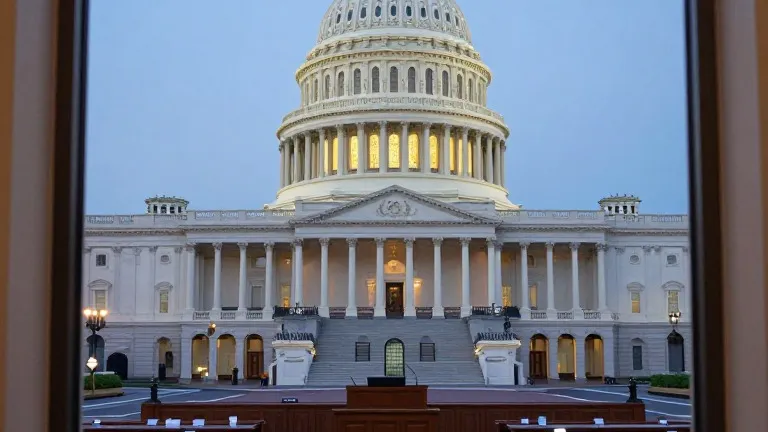
Representative Brian Fitzpatrick of Pennsylvania introduced the Ronald Reagan Peace Through Strength Act of 2026 on October 24. The bill seeks to cancel a Treasury Department waiver issued on October 9 that authorized transactions involving Russian diesel fuel. It also bars future waivers for Russian energy imports and requires intelligence agencies to notify congressional committees within 24 hours of any interruption to Ukraine's defense support.
The legislative push follows a series of recent events. On October 9, the Treasury Department issued the waiver. President Donald Trump announced the arrangement after talks with Russian President Vladimir Putin, stating that Russia agreed to provide more than 300,000 metric tons of diesel to US and global markets. Trump defended the move as a way to expand global diesel supplies and lower prices amid energy disruptions linked to the war in Iran.
Simultaneously, reports emerged that Ukraine's access to SpaceX's Starlink and Starshield satellite systems had been restricted. Ukrainian officials stated that these disruptions affected military operations. On October 13, restrictions were introduced that hindered communications for drones moving faster than 100 miles per hour. Ukrainian President Volodymyr Zelenskyy noted that these limits persisted despite claims that service had been restored. On October 24, Ukrainian officials reported that satellite connection speeds had been restored, though they noted that no one had explained the earlier cuts or what will happen next.
Fitzpatrick, a Republican and co-chair of the Congressional Ukraine Caucus, co-sponsored the bill with Republican Don Bacon of Nebraska and Democrat Marie Gluesenkamp Perez of Washington. The measure has been sent to three House committees. Fitzpatrick stated that the waiver undercuts a 2022 federal ban on Russian oil imports, saying, "We must not import a single drop of Russian oil." Bacon criticized the administration, telling RFE/RL that "Congress must be a check to the president's egregious appeasement to Putin." Gluesenkamp Perez argued that Trump should work to end the war in Iran rather than direct American money toward Russia.
Separately, eight lawmakers from both parties urged Defense Secretary Pete Hegseth to expand the Pentagon's Starshield contract. The group includes Representatives Marcy Kaptur, Fitzpatrick, and Mike Quigley, along with Senators Mark Kelly, Thom Tillis, and Elissa Slotkin. They requested guaranteed uninterrupted service and a smooth transition from commercial Starlink to government-contracted Starshield. The lawmakers suggested using the Defense Production Act, noting that service decisions "should not be left solely to the discretion of a private provider."
The waiver is set to expire on April 7, 2027. Several Democrats are seeking further answers regarding the satellite restrictions. Representative Gregory Meeks and Senator Peter Welch questioned Elon Musk's claim that the military and the president decided on the restrictions, citing reports that Musk proposed them. Senator Richard Blumenthal has demanded written answers from Musk by November 5 and a SpaceX briefing by November 12. Representatives Sam Liccardo, Ro Khanna, and Jimmy Panetta have asked White House chief of staff Susie Wiles for a government-wide investigation.
Secretary of State Marco Rubio has denied that Trump or other officials ordered or knew of the satellite restrictions. Senator Thom Tillis wrote on X that whoever is handing Putin "the gift of a more vulnerable Ukraine" should "have the guts to put their name on it." The bill sponsors say the current arrangement weakens Congress and could prolong the war.
Source: RFE/RL
More Politics · World news · Report a business · Got a Story?